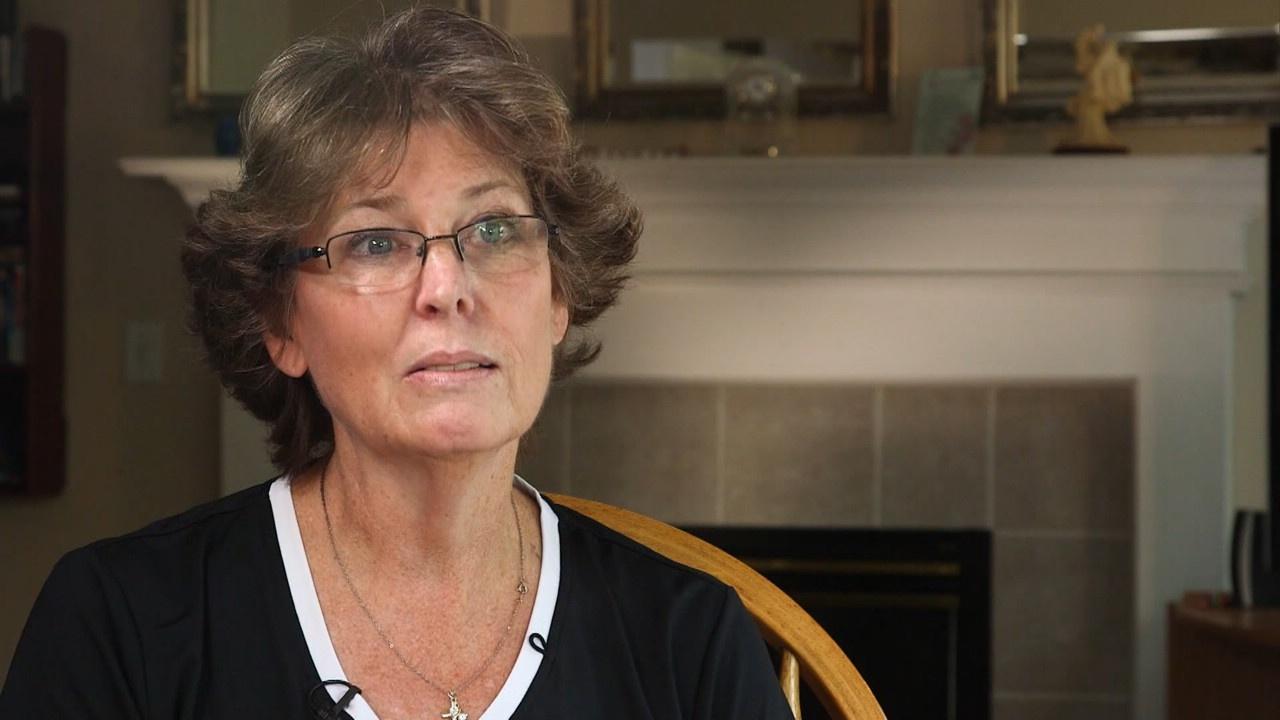


Jeanne Miller-Jacobs thought she would only have to care for her three young grandchildren for a few months. But three years later she and her husband are still keeping the kids while her son and his wife get treatment for drug addiction.
Unfortunately Miller-Jacobs and her grandchildren are not unique; some 60,000 Kentucky youth are being raised by relatives other than their parents. In fact, the commonwealth has the nation’s highest rate of children living in so-called kinship care.
On Connections, KET’s Renee Shaw explored the dramatic rise of kinship care situations in Kentucky, and what advocates are trying to do to help the caregivers.
Kinship Care on the Rise
In the past decade, the number of children living with kin has doubled, according to Terry Brooks, executive director of Kentucky Youth Advocates, a Louisville-based non-profit that works on behalf of children and families. He attributes the increase to the state’s epidemic of drug addiction, a slow recovery from the recession, and a high number of military deployments that leave children without a parent to supervise them.
“More than one in three children in Kentucky live in a single-parent family,” Brooks says. “For so many of our children, they only have that one parent standing between them and an alternative form of care.”
Brooks says the kinship option, whether a temporary or permanent arrangement, is important because it allows children to stay within their extended families. He says kids sent to foster care or to a group residential facility are less likely to be reunited with their parents when the emergency situation that necessitated the alternative form of care is resolved.
The Overwhelming Toll on Caregivers
The decision for Jeanne Miller-Jacobs to save her grandchildren from state care was easy. She immediately filed for emergency custody of the kids following her son’s arrest in 2012. But the reality of living with and caring for three boisterous young children has been totally different.
“I cannot describe how overwhelmed you are when it happens,” Miller-Jacobs. “And then you go through a process of grief, you grieve for your child. My son was in the detention center and I was heartbroken.”
To further complicate matters, Miller-Jacob’s husband lost his job during that time, so the couple went from being double-income empty-nesters to a single-income family raising three kids that ranged from toddler to elementary-school aged.
Kinship caregivers are eligible for some state benefits, but dramatically less than what foster parents receive. The stipend for one foster child up to age 11 starts at about $681 a month. Miller-Jacobs says she receives just under $250 a month for her three grandchildren combined. She says she’s even heard from other adults who had to turn away children of family members because they couldn’t afford to feed them, much less buy them clothes or pay their school and medical expenses.
And then there’s the physical and emotional toll. Miller-Jacobs and her husband are in their 50s, so keeping pace with the three youngsters taxes their stamina and their patience. She says they do get relief from neighboring grandparents who are raising their grandkids, but sometimes that isn’t enough.
“I think respite care is huge for people in our situation,” Miller-Jacobs says. “You can’t replenish, you can’t get in a good place because you’re just constantly going.”
Push to Restore Kinship Benefits
“You hear folks totally committed to loving on those kids, and yet you hear folks who are exhausted [and] who lack resources,” says Kentucky Youth Advocates’ Terry Brooks.
He says if Kentuckians truly value keeping families together through kinship arrangements, then the state needs to do more to support those caregivers. Brooks points to legislation passed in 2014 that allows kin to access school and medical records for children living in their care. Before that, relatives weren’t able to make critical health or educational decisions for those kids.
A kinship care summit is scheduled for September 9 in Louisville, and Brooks says it will give caregivers a chance to share their stories and discuss their needs directly with policymakers. Finally, Brooks says he is pushing Kentucky’s gubernatorial candidates and state legislators to pledge to restore kinship care subsidies that lawmakers cut several years ago during the worst period of the state budget crunch.
“It’s a great return on investment compared to what it costs for a child to go into foster care or residential treatment,” explains Brooks. “We could double kinship care benefits and it would be good for the kids, it would be great for the kinship family, and frankly it’s even better for the state budget.”
KET’s education coverage is part of American Graduate: Let’s Make it Happen, a public media initiative made possible by the Corporation for Public Broadcasting.