

In Louisville, as in many communities across America, a person’s overall health isn’t just a matter of lifestyle choices or family genetics.
“When we ask how healthy one is in Louisville, oftentimes the answer is it depends on your zip code,” says Brandy Kelly Pryor, director of the city’s Center for Health Equity.
And for those Louisvillians living in the metro’s poorest neighborhoods, that can mean a dramatically shorter life span.
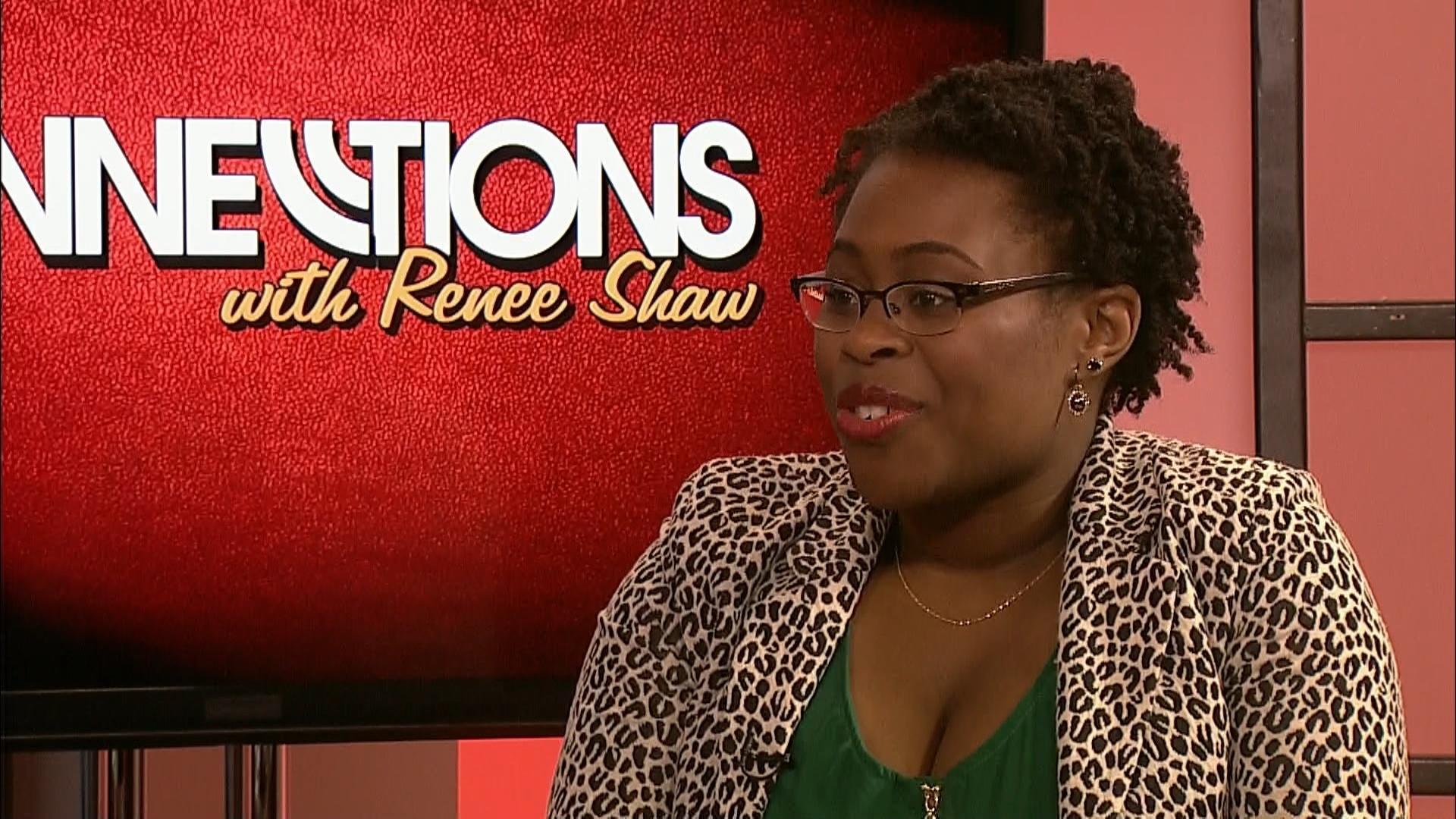
Pryor appeared on KET’s Connections to discuss health equity issues and what civic leaders in are doing to address the problem in Louisville.
A Grim Story of Health and Poverty
A number of factors can play into the health of residents within a certain neighborhood. According to the Brookings Institute, a public policy think tank that has studied poverty in Louisville and other American cities, residents of impoverished neighborhoods are more likely to experience poor mental and physical health, higher school dropout rates, greater financial insecurity, less upward mobility, and more crime. Research indicates that even if poverty is limited to a few specific neighborhoods, it can limit the prosperity of the overall community or region.
In Metro Louisville, the Brookings Institute says about 52 percent of the population lives in high-poverty neighborhoods. And in those areas, Pryor says the story is grim: An individual’s life expectancy is 14 to 16 years shorter than someone who lives in more affluent areas of the River City.
“It’s not just the amount of money that’s coming into our homes that measures our level of poverty,” says Pryor, “but how those areas are socially constructed.”
Pryor says one cause of concentrated poverty is residential segregation. She says government policies and social conventions during the Jim Crow area limited the housing stock available to African Americans. Even if a black man was a World War II veteran, he still may not be able to get the federal home loans that were readily available to his white counterparts, according to Pryor.
“That has set up a history of racial segregation patterns that we’re still dealing with today,” Pryor says. “So when we talk about contemporary patterns of racial segregation, we can’t forget the historical markers that brought us here.”
When accounting for racial segregation and concentrated poverty across the entire community, Pryor says Louisville ranks 15th out of 17 peer cities, including Charlotte, N.C., St. Louis, Mo., and Omaha, Neb.
At the top of the peer list is Nashville, a community that Pryor says has made great strides in addressing race issues and diversifying its economy. She says having strong historically black universities, including one with a prominent medical school, has also helped raise standards of living for African American residents there.
Engaging Citizens to Improve Health
As Louisville works to address its health equity challenges, Pryor says the conversation is moving from blaming individuals in impoverished neighborhoods to exploring the social and institutional barriers that contribute to poor outcomes. For example, she says it’s one thing to criticize someone’s diet, but it’s another thing to address the fact that their neighborhood doesn’t have a full-service supermarket and or that limited public transportation services makes it difficult for those without personal vehicles to travel to one.
The Robert Wood Johnson Foundation recently recognized Louisville for its efforts to improve health outcomes across the entire metro area. The foundation cited community initiatives to boost job training and promote attainment of college degrees, address violent crime, and foster collaborations among citizens businesses, academia, and neighborhood groups to make good health more accessible to all residents.
Simply put, “Equity is everybody’s business,” says Pryor.
Her agency held a summit earlier this fall to engage Louisvillians in conversations about health policy issues and how they can be resolved. That dialogue will continue in each of the city’s 26 Metro Council districts. Pryor says they’ve already received policy proposals from more than 200 residents. They’ve suggested better access to more affordable housing and creating more parks and safe places for children to play. They also want a greater voice in how state and local governments choose to invest in capital projects.
Each of those things can contribute to safer, healthier neighborhoods, according to Pryor
“With housing and community connectedness and being able to participate in how the budget or the economic development happens, we know that those have direct impacts on the violence that we’re seeing,” she says.
Pryor says she’s pleased with how Louisville Mayor Greg Fisher and city council members have participated in these conversations. She adds that its especially important to engage younger Louisvillians because they are the ones most often the victims of shootings and other violent crimes.