

It turns out that the dream of retiring to the Sun Belt states or to a condo on a golf course may not hold the appeal for some people that it once did. If fact, as many as 80 percent of aging Baby Boomers are deciding to spend their retirement years right where they already live.
“They want to stay in their homes and their communities because they want to stay closer to what matters most to them: family, friends and their doctors,” says Jean Setzfand, senior vice president of programs at AARP.
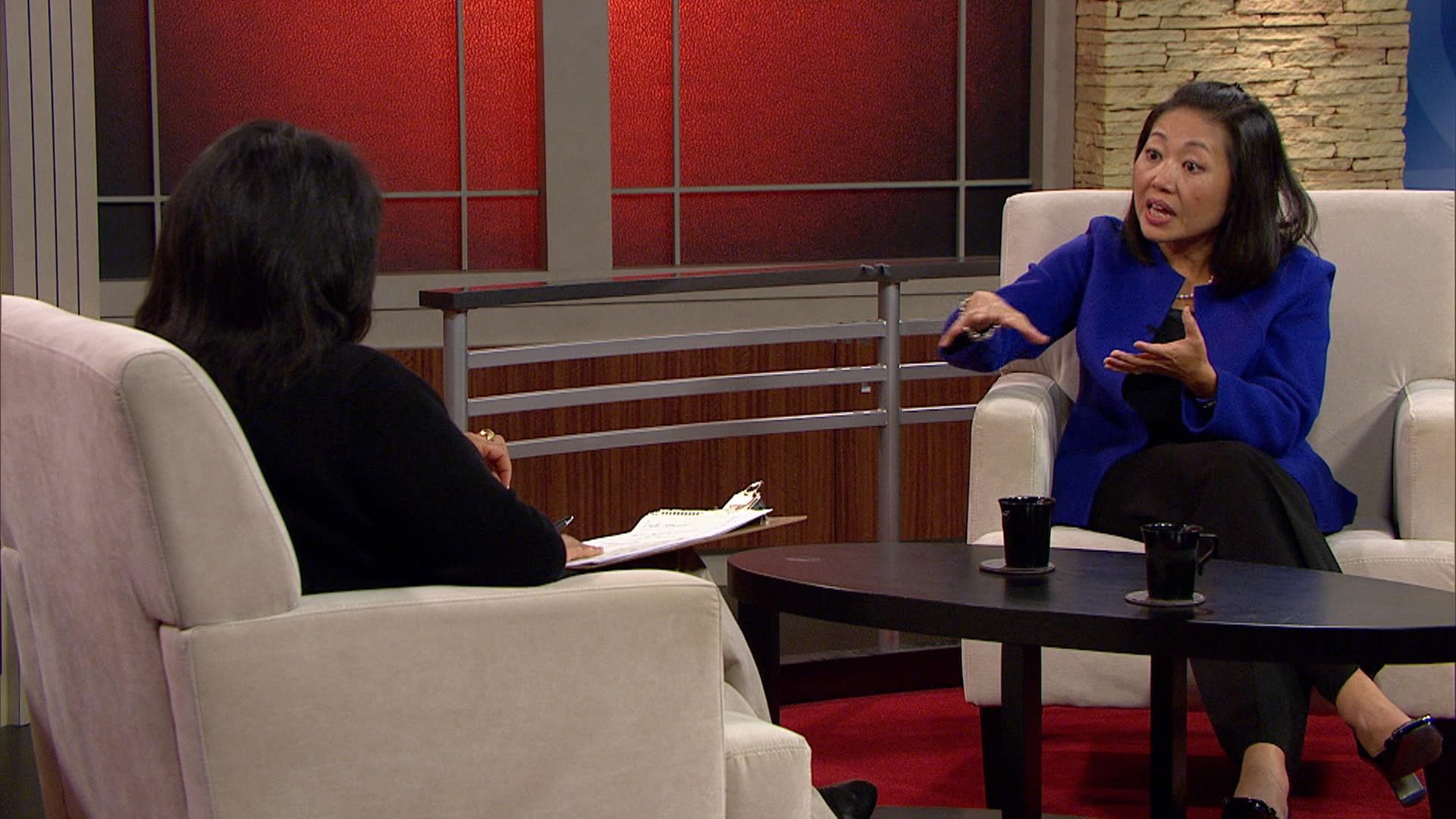
Setzfand appeared on KET’s Connections to discuss the drive to make communities more livable for all citizens as well as other AARP initiatives.
Making Communities More Livable for All
According to Setzfand, the same attributes that make a community more livable for senior citizens can also appeal to all residents: mixed-use development, convenient access to vital services as well as shopping and entertainment venues, shorter commutes, more transportation options, safe sidewalks, parks and green spaces, and opportunities for civic engagement.
“What an older population may very well need is what a larger population may very well want,” Setzfand says.
AARP is working with local officials and partner organizations to create a Network of Age-Friendly Communities. To participate in the initiative, communities must establish ways to involve older residents, assess the community’s age-friendliness, develop a community-wide action plan based on those findings, and monitor progress towards fulfilling that plan. So far, more than 100 communities in some 30 states have joined the networking, including four in Kentucky: Lexington, Louisville, Berea, and Bowling Green.
The changes the communities start with don’t have to be large ones that require significant funding or massive infrastructure updates. Setzfand points to how Oklahoma City started with a community-wide diet initiative to help lower obesity rates. She says city residents have already lost millions of pounds and community leaders have learned that the metro area needs more walking trails, recreational centers, and bike-sharing opportunities.
In Berea, Setzfand says local officials are installing more benches to encourage residents to make use of the city’s parks and walking paths. And Bethel, Vermont, employed what’s known as tactical urbanism to experiment with changes that community could make to its Main Street corridor. For one weekend, city leaders changed downtown traffic patterns to allow for more foot and bicycle traffic, established retailers extended their business hours, and local artisans and other vendors created “pop-up” shops to sell their wares.
The whole weekend was accomplished without public funds or amending city ordinances. The goal, according to Setzfand, was for the community to test out possible long-term changes to Bethel’s downtown and demonstrate to residents the benefits of implementing these new ideas.
“That’s where you begin to see the small changes that you can put in place right away, versus the larger changes that need more funding as well as changes to policy,” Setzfand says.
Other Issues of Concern to Older Americans
Some 40 million Americans now serve as caregivers to family members and loved ones, and Setzfand says that more needs to be done to assist these individuals in their efforts. Positive support can include a range of products and services, such as ensuring that caregivers receive proper training, or helping them connect with resources already available in their communities. She says those support services too often are fragmented among various government agencies and nonprofit organizations, and many caregivers may not even know they exist.
AARP also has programs that can help retirees learn new technologies, avoid scams, and repurpose their lives. The group’s TEK Academy, which stands for technology, education, and knowledge, offers online and in-person training to help older adults use smartphones, computers, and other emerging technologies. Setzfand says some of the training is done by college students who “mentor up” their older clients.
To prevent seniors from falling victim to con artists, Setzfand says AARP hosts the Fraud Watch Network. That website offers consumer protection tips and advice as well as email alerts about the latest scams.
And the organization’s Life Reimagined campaign helps older adults focus their talents and life experiences in new ways. Setzfand says the program encourages people to discern what matters most to them and explore how that can shape what they do with the next phase of their lives. She says that next step can mean finding a new job that better fits the individual’s purpose and passion, or it may mean starting their own business based on the person’s skill set or avocation.
“That’s what Life Reimagined is all about: Trying to take stock of life and really bring it to its fullest by making sure that you’re fulfilling the mission of yourself and your life,” Setzfand says.