

A “small” business may not be as small as you think.
In fact, the federal government generally defines a small business as one that has fewer than 500 employees. By that benchmark, there are some 28 million small businesses in the United States, according to Tameka Montgomery, associate administrator at the Office of Entrepreneurial Development at the U.S. Small Business Administration (SBA).
Even though the vast majority of small businesses are sole proprietorships, Montgomery says they can have a substantial impact on the national economy.
“We believe that small businesses have the opportunity to be job creators,” she says.
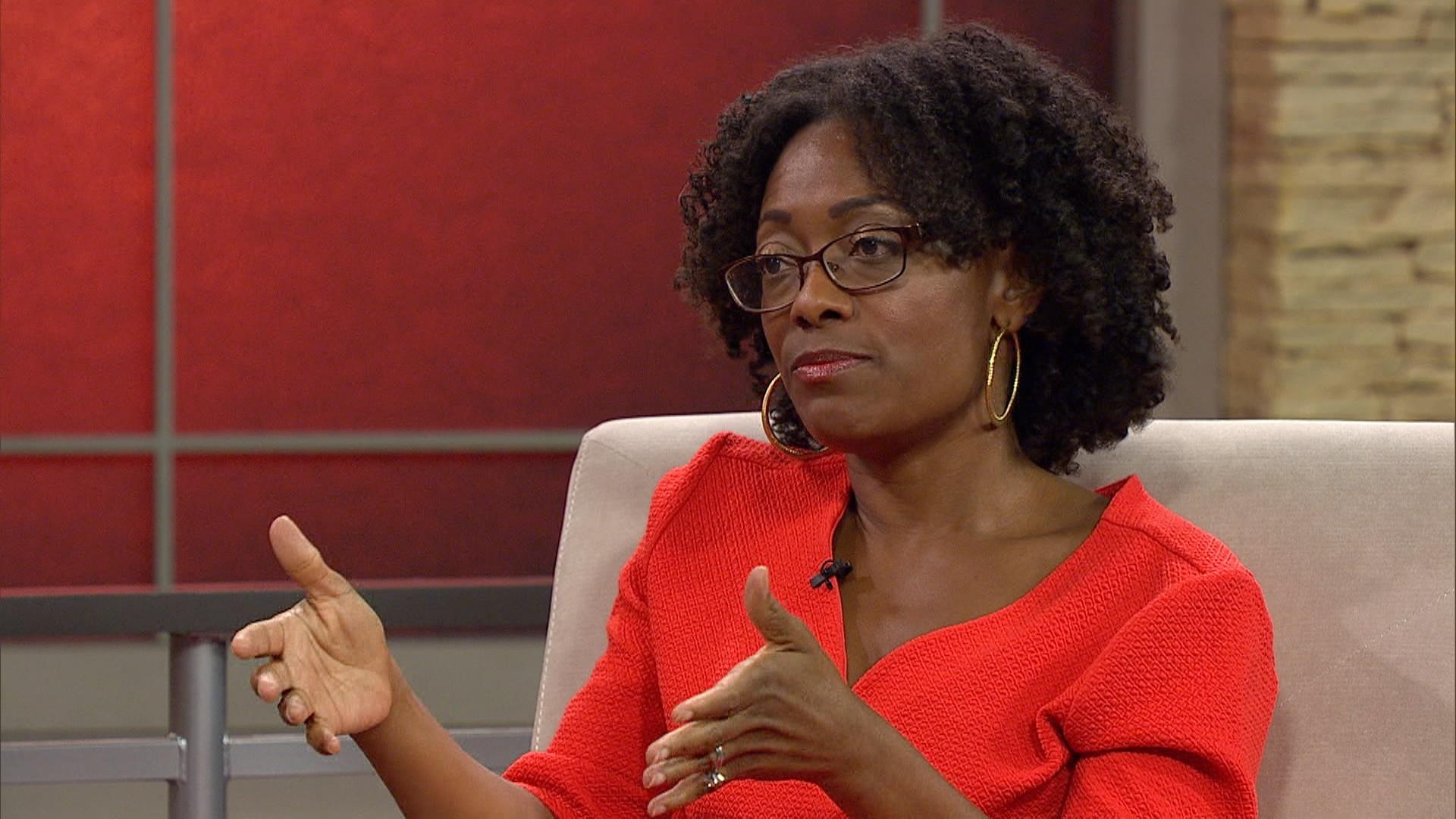
Whether you want to launch yourself in the freelance marketplace, or have an idea that can become a company employing dozens or even hundreds of people, the SBA can help. Montgomery appeared on KET’s Connections to discuss the tools the SBA provides to entrepreneurs looking to launch or grow a small business.
There’s no perfect time to start a new business, Montgomery says. Instead it should be based on when a person’s experience and passion match up with the right opportunity for their particular community. For example some locales may be better suited to a high-tech endeavor, while a service-oriented business might be more appropriate for other places. Montgomery also cautions entrepreneurs to consider the profit margin that comes with a particular business or industry.
“At the end of the day, if you’re not making money, you’re not going to be in business for very long,” Montgomery says.
So you’ve got a great idea that you’re passionate about and a niche in the marketplace that’s waiting to be filled. Where do you actually begin?
“What makes it hard is when you don’t have the resources that you need to start a business,” Montgomery says, “whether it’s the capital, it’s the connections, [or] it’s just even the knowledge of how to grow a business.”
Fortunately the SBA has a wealth of resources to help in each of those areas.
Gaining Knowledge, Making Connections
Montgomery says her office coordinates with partners across the nation to provide training, mentoring, and technical assistance to those launching a new business. This includes counseling on developing a business plan, doing market research, finding a good lender, and how to address bookkeeping and human resource issues.
And most of these services, including one-on-one consulting, are free.
“Starting a business is not easy and you’re going to make mistakes,” Montgomery says. “But the idea with these resources is to help you not make the unnecessary mistakes because there are people there who can come along side of you and guide you.”
For three years the SBA has partnered with AARP to offer specialized mentoring for individuals 50 years old and older. Montgomery says the Encore Entrepreneurs program was specifically designed to address the trend of older Americans wanting to start their own businesses.
Once your enterprise is up and running, the SBA can help connect you to public agencies that could become paying customers. Montgomery says entities within the federal government are required to purchase 23 percent of goods and services they need from small businesses. She says the SBA ensures that federal agencies meet that quota, and it certifies small businesses that qualify as government vendors.
Start-up Capital Still a Challenge
One common misconception about the SBA is that it offers start-up money to entrepreneurs. Montgomery says the agency does not make loans or grants (outside of low-interest loans for disaster recovery activities), but the administration does guarantee loans for small businesses. She says the goal is to increase an entrepreneur’s access to capital by encouraging banks to lend by reducing the risk of default on a loan.
Montgomery says the amount of money needed to start a new business depends on the work being done. She says entrepreneurs of color tend to seek SBA-guaranteed loans of $150,000 or less. She adds that she’s seen research that indicates that African American business owners have a higher likelihood of being denied a loan when they seek financing. But that’s not the only troubling trend.
“When they do get the loan, they’re often not given the amount that they sought out, which means they’ve been under-capitalized, which at the end of the day can be more harmful than not getting the loan, if they don’t have enough money to actually do what they need to be doing,” Montgomery says.
The good news, according to Montgomery, is that the numbers of minority-owned small businesses are growing across the United States, and the SBA is working to alleviate the challenges that remain for minority entrepreneurs. She says the change in America’s demographics has provided an excellent opportunity for business-minded people of color to “seize this moment and do great things.”