

A foggy night. An unfamiliar road. A life forever changed.
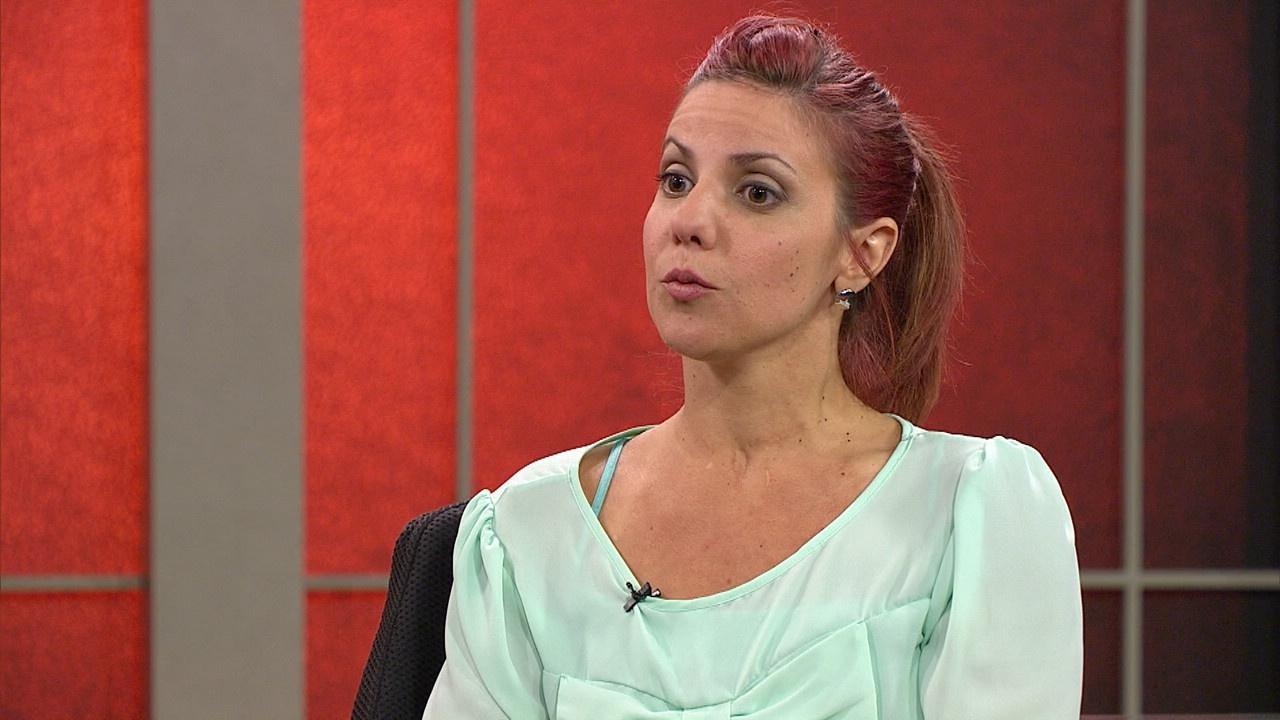
It’s been eight years since Heidi McKenzie’s car struck a tree in an accident that left her paralyzed from chest down. She was 21 years old at the time, and doesn’t remember the day it happened. But she does recall the love and support she received from friends, family, and even complete strangers during the weeks that followed.
“It’s kind of hard to feel down on yourself when so many people are pushing for you,” McKenzie says.
Now the former Miss Wheelchair Kentucky says she’s embraced her life as a paraplegic and she’s parlaying her lifelong interest in fashion to design clothing for other disabled individuals. McKenzie and other guests appeared on KET’s Connections with Renee Shaw to mark the 25th anniversary of the Americans with Disabilities Act (ADA).
McKenzie says accepting her limitations became easier once she realized how curious people are about why such a vibrant young woman is in a wheelchair. And she coyly admits that that she’s not above making good use of the pity she occasionally encounters.
“Sometimes I play the sympathy card,” McKenzie says. “I might take advantage just a little bit… but I smile in the end and they realize, ‘Okay, I got played by this girl in the wheelchair.’”
Challenges Remain for Those with Disabilities
About 29 percent of Kentuckians have some kind of disability, according to Kathy Sheppard-Jones, PhD., interim director of the Human Development Institute, the University of Kentucky’s Center for Excellence in Developmental Disabilities. She says a disability is defined as a mental or physical impairment that substantially limits a person in at least one major life activity, such as seeing, hearing, walking, or caring for oneself.
Sheppard-Jones says the ADA has leveled the playing field in many areas for the disabled. The 1990 civil rights legislation made it illegal to discriminate against those with disabilities, required businesses to make reasonable accommodations for disabled employees, and established accessibility requirements for public places.
Yet challenges still remain. Sheppard-Jones quotes U.S. Department of Labor statistics that indicate only 17 percent of working-age adults with disabilities have jobs. She also notes that the disabled are more likely to live in poverty.
“We recognize that the attitudinal barriers are really the ones that can be the most difficult to overcome,” Sheppard-Jones says of how the able-bodied view those with disabilities. “The expectation needs to be that you’re going to grow up, you’re going to go to work, you are going to be a productive member of your community, [and] you’re going to give back.”
Workplace Resources Available
Chastity Ross has a degree in special education from Eastern Kentucky University and works as a crisis and case management supervisor with Bluegrass.org. That group helps connect individuals with physical and intellectual disabilities with range of community services.
Ross, who was born without a right arm and without a femur bone in her left leg, says she’s seen changes brought by the ADA. When she was a child, Ross says she only had one option for attending elementary school in Richmond. She went to the Model Laboratory because it was the only flat school building in Madison County. Now Ross says disabled students can access most schools thanks to mandated elevators, ramps, and automatic doors.
For her current job, Ross says the Kentucky Office of Vocational Rehabilitation performed a workplace assessment and made accessibility updates to the building at no cost to her employer. She says the changes have made her office life easier.
“But not everybody knows that that [option]'s out there,” Ross says. “It’s a shame that you could go through your work career and maybe end up quitting earlier… because you don’t realize that you’ve got this resource.”
McKenzie Launches Clothing Line
As Heidi McKenzie got used to being wheelchair bound, she realized how little adaptable, fashion-conscious clothing was available, especially for younger disabled individuals. Then after she was named Miss Wheelchair Kentucky in 2012, McKenzie went on to compete in the national contest and found a like-minded group of young women who also bemoaned the dearth of stylish clothing options.
That’s when McKenzie revived her own interest in fashion and developed a line of blue jeans especially for those in wheelchairs. She partnered with a designer who specializes in adaptable clothes, raised money on Kickstarter to launch her business, and found a supplier and manufacturer in North Carolina to produce the apparel.
McKenzie’s company, Alter Ur Ego, is set to take orders later this month. Her adaptable blue jeans have specially designed pockets on the thighs of the pants, stomach support, an opening for a catheter, and other changes that make them more functional for those in wheelchairs. McKenzie says she’s heard from many disabled people who are thrilled at the prospect of being able to wear blue jeans made especially for them.
“It just puts a smile on your face that you can to make a difference,” McKenzie says. “I have so many ideas and I’m just getting started.”