

While the state budget has garnered the biggest headlines during the 2016 General Assembly session, lawmakers have also passed legislation that aims to help the thousands of Kentucky children who suffer neglect and abuse.
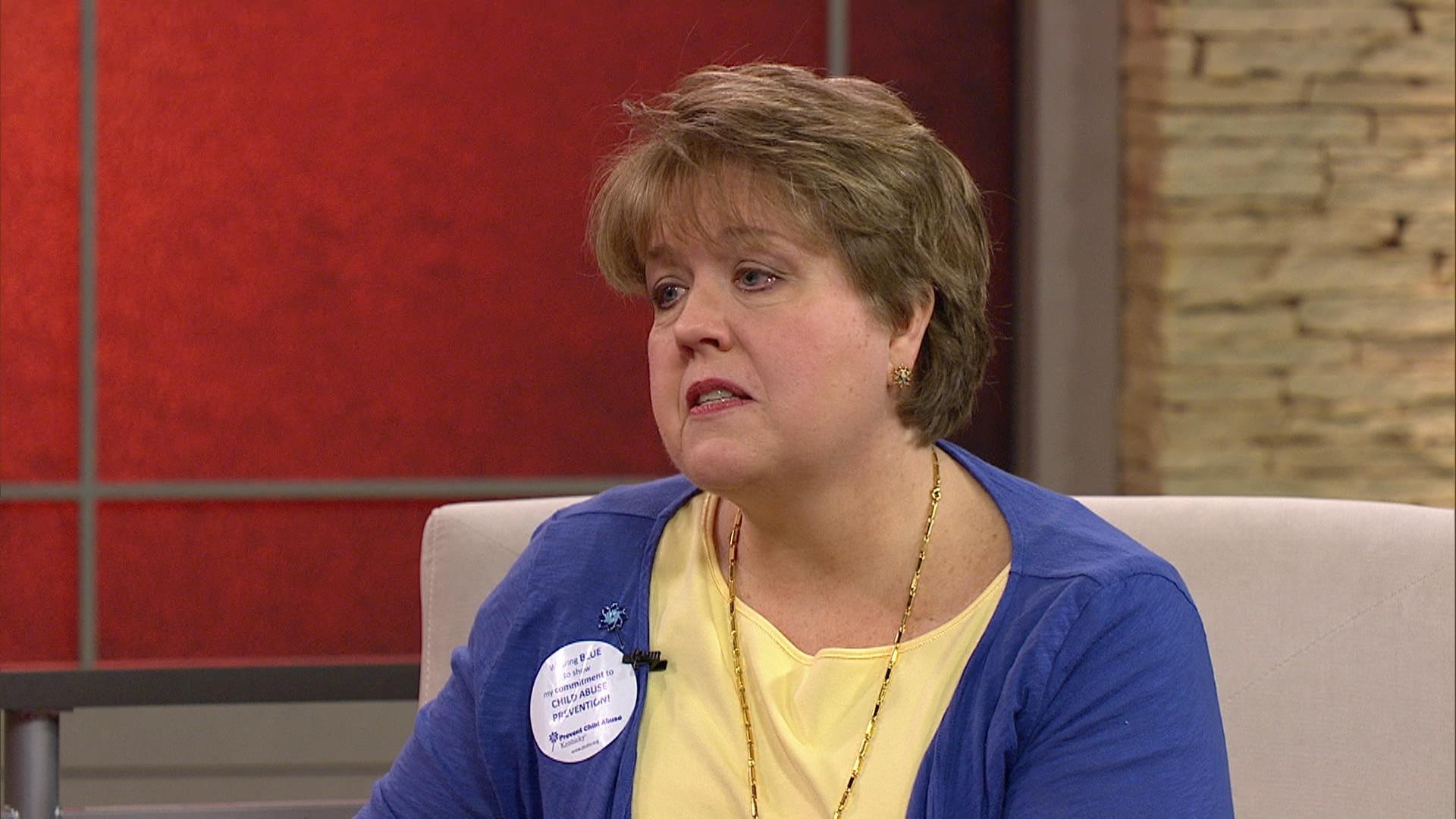
Jill Seyfred, executive director of the non-profit organization Prevent Child Abuse Kentucky, appeared on KET’s Connections with Renee Shaw to discuss those bills and the group’s ongoing efforts ensure the safety of kids in the commonwealth.
Legislation Promotes Transparency and Awareness
About 27,000 young Kentuckians experienced abuse or neglect last year, and almost half of them were younger than 5 years old. Approximately 75 percent of the total cases are incidences of neglect, with the remainder being instances of physical, sexual, or emotional abuse.
Seyfred says the state ranks second in the nation in reported cases of abuse or neglect, which she says is a double-edged sword: It’s bad that there are so many instances, but good that people are knowledgeable enough to detect abuse and willing to report it. She says Kentucky is one of the few states that have a mandatory reporting law for suspected abuse.
Late last month lawmakers approved Senate Bill 40, which will create a four-year pilot program in at least three judicial districts around Kentucky to open juvenile proceedings to the public. Seyfred says the measure is meant to bring transparency to cases involving physical abuse, neglect, or parental rights. (Sexual abuse cases will remain closed.) She says the presiding judge and the county attorney involved must agree before a proceeding can be opened. But even that decision is reversible.
“If the judge deems at any time that the best interests of the child are not being met with the open court, then he or she can make the determination to close it,” Seyfred says.
Journalists had advocated for more than a decade to open juvenile proceedings, according to Seyfred. She says the plan gained greater traction when the state’s Child Fatality and Near Fatality External Review Panel endorsed the idea as a way to bring more awareness to the complex issues involved in such cases. Seyfred says the legislation, which Gov. Matt Bevin signed into law last week, should help the courts, medical professionals, educators, and law enforcement learn how to better detect child abuse, assist victims, and prosecute perpetrators.
Another bill that’s awaiting the governor’s signature would require all public schools to post the state’s child abuse hotline phone number. Seyfred says House Bill 111 complements earlier legislation that mandates training on child abuse detection and reporting for all school personnel. That requirement takes effect the beginning of 2017.
New Training Initiative Planned
Earlier this year Attorney General Andy Beshear joined with first lady Glenna Bevin to announce a training program to protect children from sexual abuse. Prevent Child Abuse Kentucky is a partner on the initiative, which Seyfred says will start with law enforcement, social workers and other professionals and gradually expand to the general public.
“The trainings are not for the faint of heart,” Seyfred says, “but we do feel that they will make a difference.”
Oregon-based counselor Cory Jewell Jensen will conduct the classes, which are based on her 30 years of experience dealing with sex offenders. Seyfred says the pedophiles revealed to Jewell how they evade traditional abuse prevention strategies so they can target and seduce children.
Doing What’s Right for the Child
When someone suspects an incident of abuse or neglect, they may be reluctant to report it, especially if it involves a neighbor or colleague. Seyfred encourages people to err on the side of doing what’s right for a child. She says a young person who has experienced physical, emotional, and sexual abuse can display a range of symptoms depending on their age and the specific trauma they endured.
Even if you have only a gut sense that something may be amiss in a child’s life, Seyfred suggests calling the state’s anonymous tip line at 1-877-KYSAFE-1. The Kentucky Department for Community Based Services investigates each report to substantiate whether abuse has occurred. She says it may take multiple reports before an investigator is able to document an indicator of abuse. Even if no problems are found, Seyfred says the DCBS worker may be able to point the family to support services that will help them stay on a healthy, functional path.
“We have a tendency to talk about the tragedies of abuse – kids go through horrific things – but we also want to draw attention to positive, happy childhoods,” Seyfred says. “We want to be able to change that conversation, change the message so that we talk about the positive impact that each one of us can have in our kids’ lives.”