

Talk about not taking “no” for an answer.
Phil Wilkins was 26 years old when he first applied to be a McDonald’s franchisee. Not surprisingly, the company declined the medical supplies salesman who had no restaurant management experience and limited savings to invest in a business.
But Wilkins believed he could be a success in fast food. So he called the franchise office and told them they’d made a mistake. He said he may not have enough capital at that moment, but he knew he would soon. Then Wilkins proceeded to write the franchising manager a letter every month with an update on his financial progress.
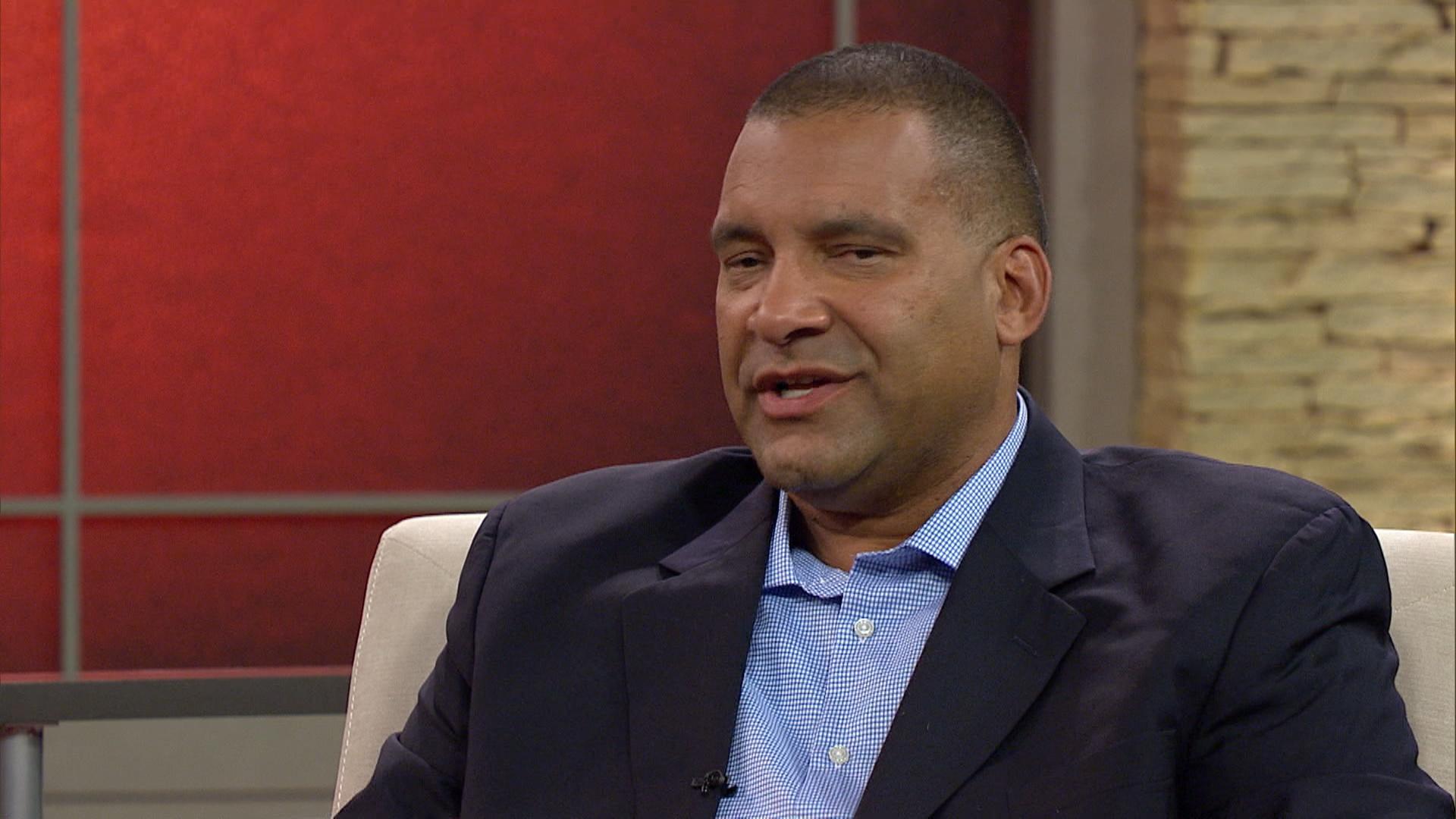
That initial rejection became a defining moment for Wilkins, who went on to own and operate four McDonald’s locations in Lexington before moving on to Atlanta to pursue other franchising opportunities. Wilkins appeared on KET’s Connections to discuss his path to entrepreneurial success.
A Commitment to Excellence
It took three years of letter writing before Wilkins finally got approval for a McDonald’s franchise. But then he had go through management training, which involved working weekends at a local McDonald’s without pay while he continued to hold down his full-time medical supplies sales job.
That took another three years.
When he finally opened his first restaurant in Cincinnati in 1997, he knew he wanted to commit to excellence in all phases of the operation.
“There’s no shortcuts,” Wilkins says. “Every customer that comes into my restaurant, I want them to be 100 percent happy, they have to leave that way. And that’s the kind of mentality that I think we as minority business owners must have in order to be successful.”
Wilkins later used his Cincinnati store as leverage to enter the Lexington market. His first Fayette County location soon became four thriving restaurants. He says being an African American entrepreneur does have its challenges, which he says has helped him learn that self-confidence isn’t about whether other people like you. It’s about knowing you’ll be fine even if they don’t.
“I think over time I’ve grown more comfortable in my own skin,” Wilkins says. “If someone doesn’t want to do business with me because of the color of my skin, that’s not my problem, that’s your problem.”
Responding to Customer Tastes
After more than a decade under the golden arches, Wilkins sold his Lexington franchises and moved to Atlanta to open a series of Smashburger restaurants. He says he had grown frustrated with McDonald’s corporate direction at that time, but now acknowledges he should’ve never left the company. He says he was thrilled and grateful when Jan Fields, who was then the McDonald’s U.S. president, invited him back to the company. Now Wilkins owns McDonald’s franchises in Florida.
He says he’s pleased with recent changes at the company, including the all-day breakfast options and healthier menu items. And Wilkins says he’s eager to see the results of market testing the company is conducting on table-side service and fully customizable hamburgers. He contends corporations must listen and respond to their consumers if they want to be successful for the long term. One trend he’s less sanguine about is the local food movement. Wilkins says he’s not sure what role that can play in a business like his.
“ I think at the end of the day, from farm to restaurant has its merits but at the same time you don’t want to sacrifice food safety in the process,” Wilkins says. “We serve a lot of different people in our organization from young kids to elderly and so we must be very concerned and cognizant about our food safety standards and our procedures, and that’s always going to come first.”
Inspiring Other Entrepreneurs
In addition to his restaurant work and raising three sons with his wife, Wilkins does training and consulting, and he’s the author of “Own Your Business, Own Your Life!: 21 Strategies for Becoming a Wealthy Entrepreneur.” He also was a keynote speaker at the recent Lexington Bluegrass Area Minority Business Expo, where he discussed the importance of planning, how to build relationships and strategic partnerships, and being committed to excellence.
Despite the long hours he puts in as a franchise owner, Wilkins says he enjoys his work because it gives him the opportunity to be engaged with the communities he serves and to inspire a new generation of entrepreneurs.
“In our role as business people [and] business leaders, we can give back and get involved and maybe show children that this is something that’s possible for you,” Wilkins says. “That’s a very powerful thing.”