

Kentucky will be better able to prepare children to lead happy, healthy, productive lives thanks to a new $10.6 million federal grant. The money will be used to help the state’s youngest children receive the best learning experiences possible and to ensure that parents and other caregivers have access to the resources needed to make that happen.
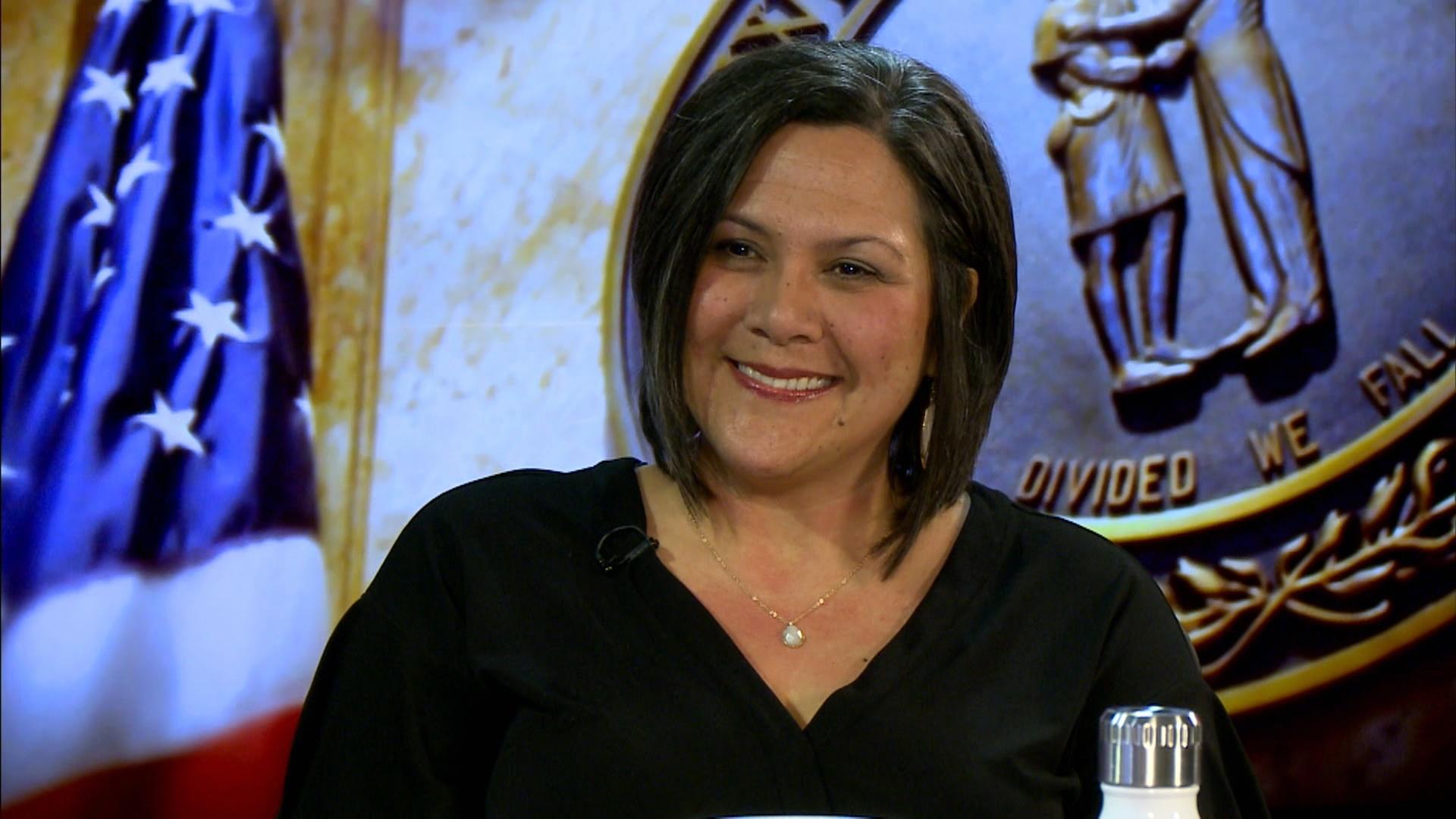
Linda Hampton, the executive director of the Governor’s Office of Early Childhood, appeared on KET’s Connections to discuss the grant and other state efforts to improve education and brain development in children.
The Every Student Succeeds Act (ESSA) Preschool Development Grant covers activities for children from birth to age five. Kentucky was one of six states in the nation to be awarded the highest amount of $10.6 million.
Hampton says the state will use the funds for five core activities:
- Conduct a statewide analysis and needs assessment of early childhood learning in the commonwealth.
- Use that information to create a strategic plan to guide the state going forward. She says it’s been almost 20 years since Kentucky’s last early childhood strategic plan.
- Improve parental knowledge of the importance of early childhood learning and about the availability of programs to help them and their children.
- Upgrade training and professional development for educators and create a clearinghouse for best practices in early childhood.
- Improve the overall quality of early childhood care and education in the commonwealth.
“Oftentimes people will say, ‘It’s a quality program,’ but do people know what a quality program is,” says Hampton.
The current grant covers the first year of work. The state can apply for additional funding to cover subsequent years of programming to support early childhood development.
Making the Most of Learning Opportunities
Children begin to learn even before they leave the womb, according to Hampton. That’s why she encourages expectant mothers to read aloud to their child and play music for them even before they are born.
“The sponginess of a brain of a child is starting when the woman is carrying the child,” Hampton says. “Ninety percent of a child’s brain is developed by the time a child is five years old.”
Once the child is born, they begin learning in every setting, whether that’s at home with their parents or caregivers, in a daycare facility, or in a public pre-kindergarten program. Hampton says children can acquire some skills at home, such learning numbers and the alphabet, and how to perform basic tasks. In a more formal daycare or educational setting, children would be assessed on their skills, and exposed to different areas of learning and social development.
“All of that does lead into us being able to function within society,” says Hampton.
The early years are also key to a child’s emotional development, even if they don’t yet have the vocabulary to express themselves.
“It’s very important to help a child understand their voice, that it is important to communicate your feelings,” Hampton says. “That is one of the greatest attributes of early care and education, is communication in feelings.”
Resources for Parents and Caregivers
Hampton says the state has a variety of services and programs available to parents to help ensure their children get off to a good start in life. First, there’s Kentucky Health Access Nurturing Development Services, also known as the HANDS program, from the Cabinet for Health and Family Services. It provides new and expectant parents with one-on-one training on how to care for a newborn and respond to their needs as they grow, how to keep the baby safe, and simple activities for stimulating the child’s brain development.
“[Parenting] books do not explain to you all the hands-on support that you need,” says Hampton. “What is wonderful about the HANDS program is that they do come into your home, they are learning with you.”
The Governor’s Office of Early Childhood partnered with First Lady Glenna Bevin on several books for young children. One encourages kids to dream about what they want to be when they grow up, while another explores the concept of family. With some 10,000 children in state care, Hampton says its important for kids to know they can create their own families, even if they’re adopted, live in a foster home, or are being raised by a relative or neighbor.
“Family is absolutely where it starts,” she says, “and the definition of a family truly lies with the child in how they see that.”
Hampton says her office is also developing mental health supports for young children, including training and screening tools to help caregivers look for signs that a child may be trying to tell them that something is wrong in their lives.
For more information about the family and community resources available from the state, visit the Office of Early Childhood’s website.
Building Tomorrow’s Workforce
Positive learning experiences aren’t just critical for a child’s development. Hampton says they’re also important for the future of the commonwealth.
“Early childhood is the bedrock for human capital,” she says. “To have a quality workforce, you must have a quality early care and education opportunity.”
In fact, the Kentucky Business-Education Roundtable of the state Chamber of Commerce made investing in early childhood and preschool the top priority in its recent report on developing top-tier workforce talent. It calls on the state to create more access to high-quality preschool program for at-risk children, to develop special literacy programs for young children who are already falling behind, and ensure that early childhood programs are meeting quality standards.
Related Content:
Neonatal Abstinence Syndrome: The Youngest Face of Drug Abuse