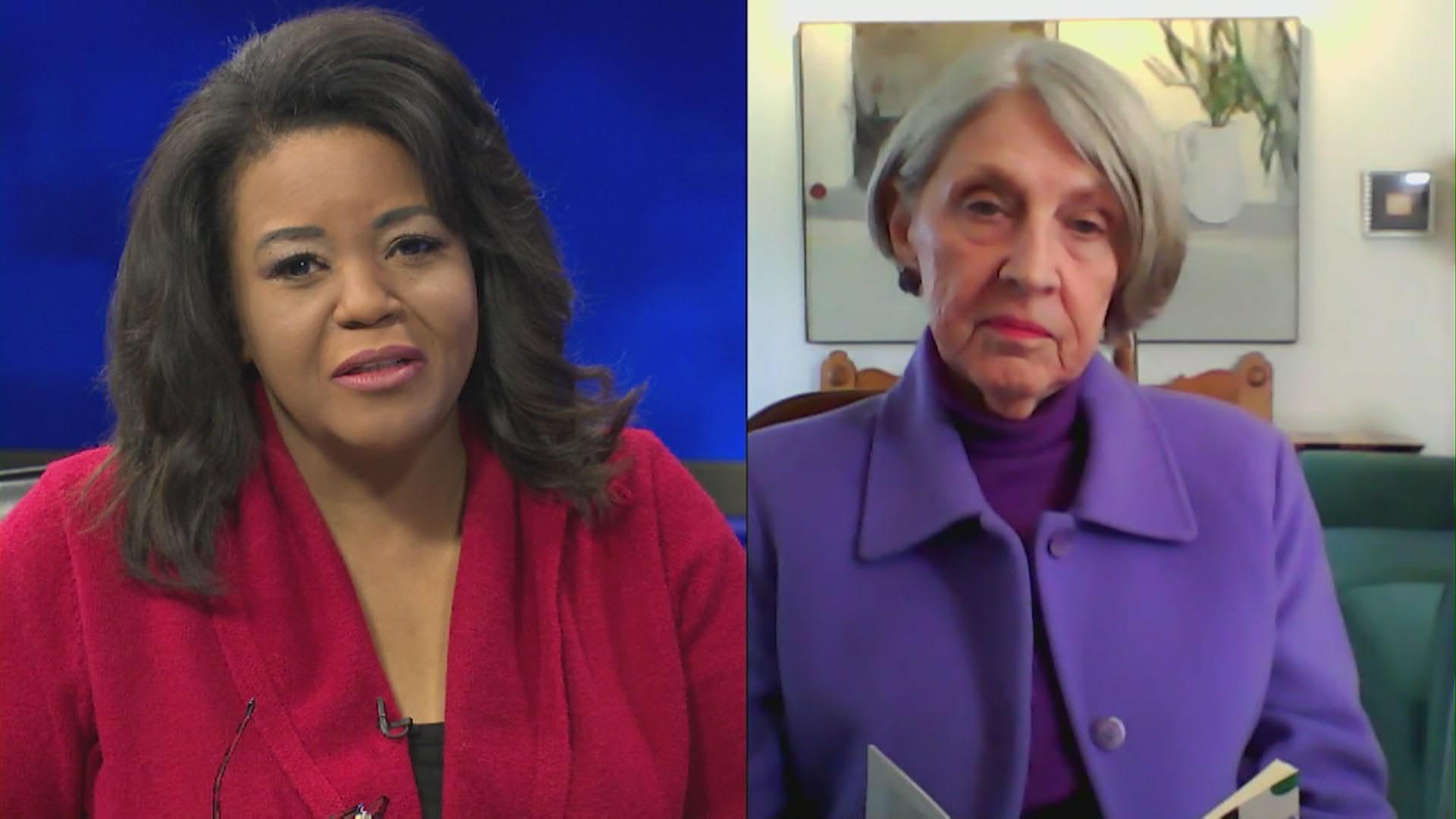


The work is described as “reader’s theater” or a “spoken word opera,” but for Constance Alexander, her play “The Way Home” is meant to foster conversations about a subject people usually want to avoid: death.
“Most of the time, people say, ‘If I die’ instead of ‘When I die,’ says Alexander. “It is an inevitable thing and it is a part of life. And as difficult as it is, it brings insight and wisdom.”
The Murray-based poet, playwright, and journalist crafted the play out of a series of interviews she did for a public radio documentary she produced for WKMS-FM more than 20 years ago. Over a two-year period, Alexander spoke with a Trigg County woman in her 50s and a Calloway County woman in her 60s, both of whom were battling cancer.
“The Way Home” is a dramatic interpretation of those conversations that features characters representing the two women, and a journalist interviewing them.
“It is a reader’s theater piece, which means that the actors don’t have to memorize lines,” says Alexander. “You can read it and perform it.”
In the play, the character Teresa has already survived one bout with cancer in her 30s when she finds herself facing a second diagnosis in her 50s. Without insurance, she isn’t sure how she will afford the costs of her treatment. That’s when neighbors in Teresa’s small hometown step up to help.
“They put her on another chemo drug, and she went to a local pharmacy to inquire about the cost,” Alexander says. “They called her later and said, ‘We’ll pay for it.’”
The other character, Pat, is already battling Parkinson’s disease when she notices a new set of symptoms. For a long time, her doctors attribute Pat’s ailments to the Parkinson’s. It is only later that they realize she has stage 4 breast cancer.
Alexander says the women, like many cancer patients, found themselves trying to pull information out of their doctors about their diagnosis, treatment, and prognosis.
“I’m having to read a lot of books and learn to speak your language.” says one of the women in the play as frustration rises in her voice. “I got a book on anatomy and physiology and started looking in the glossary to find words in my pathology report, and I spend time online looking for information... I just want you to realize that I want to know what’s going on. I have a right to know, don’t I?”
After Alexander had completed her interviews with the two women and produced her radio documentary, she found that she still had their voices in her heart and head. That’s when she decided to craft the interviews into a theatrical piece. Her working title for the play was inspired by the Jane Kenyon poem named “Otherwise.” But as she completed work on the final scenes, Alexander says the name “The Way Home” jumped into her mind.
“When I hit that line... I just broke down because it was just perfect, it was just right,” says Alexander.
Even before the play was published by Finishing Line Press of Georgetown in 2020, “The Way Home” had been performed by groups around the country, from main-stage productions at arts centers to community theaters, from college campuses to hospital conference rooms. A Louisiana performance featured an 86-year-old woman battling the fatigue of her own cancer treatments. In Arkansas, a local television reporter with terminal breast cancer read the part of the journalist. From the beginning, Alexander says she never wanted to make money off the play.
“Rather than get royalties for this piece, I just wanted to see it performed anywhere anyplace to raise money for these issues,” she says.
When Grief Comes Home
The play has taken on new meaning for Alexander, who lost her husband to lung cancer in early November. Roy Davis was an artist, coffin maker, and long-time director of the University Art Galleries at Murray State University. With her own grief still so fresh, Alexander says she is trying to stay busy and rely on the support of family and friends.
“You just have to feel however you do feel – every emotion possible, I run through all of them several times a day,” she says. “It’s a cliché but you do have to feel your feelings and not isolate too much, and accept the help that people are so willing to give.”
Davis was renowned in Murray for his extravagant and eccentric holiday decorations. One year Alexander says her husband even fashioned a Christmas tree out of pork chops. She wasn’t sure whether she wanted to decorate their home for this holiday, but she says she finally decided it was the right thing to do.
“For me there’s comfort in that,” says Alexander. “It reminds me of the past, but it also is a reminder of this is my present now and my future as being a widow.”
She’s also working on the final draft of a novel called “There’s Something I Need to Tell You.” Not unlike “The Way Home,” Alexander says the book is meant to inspire conversations among readers about the things too often left unsaid.
“It’s important to talk to each other and to share the intimacy of our own thoughts with the people who are around us and the people we care about,” she says. “We don’t always talk about these issues and I have a profound belief that the arts are a way to surface issues that we need to talk about.”