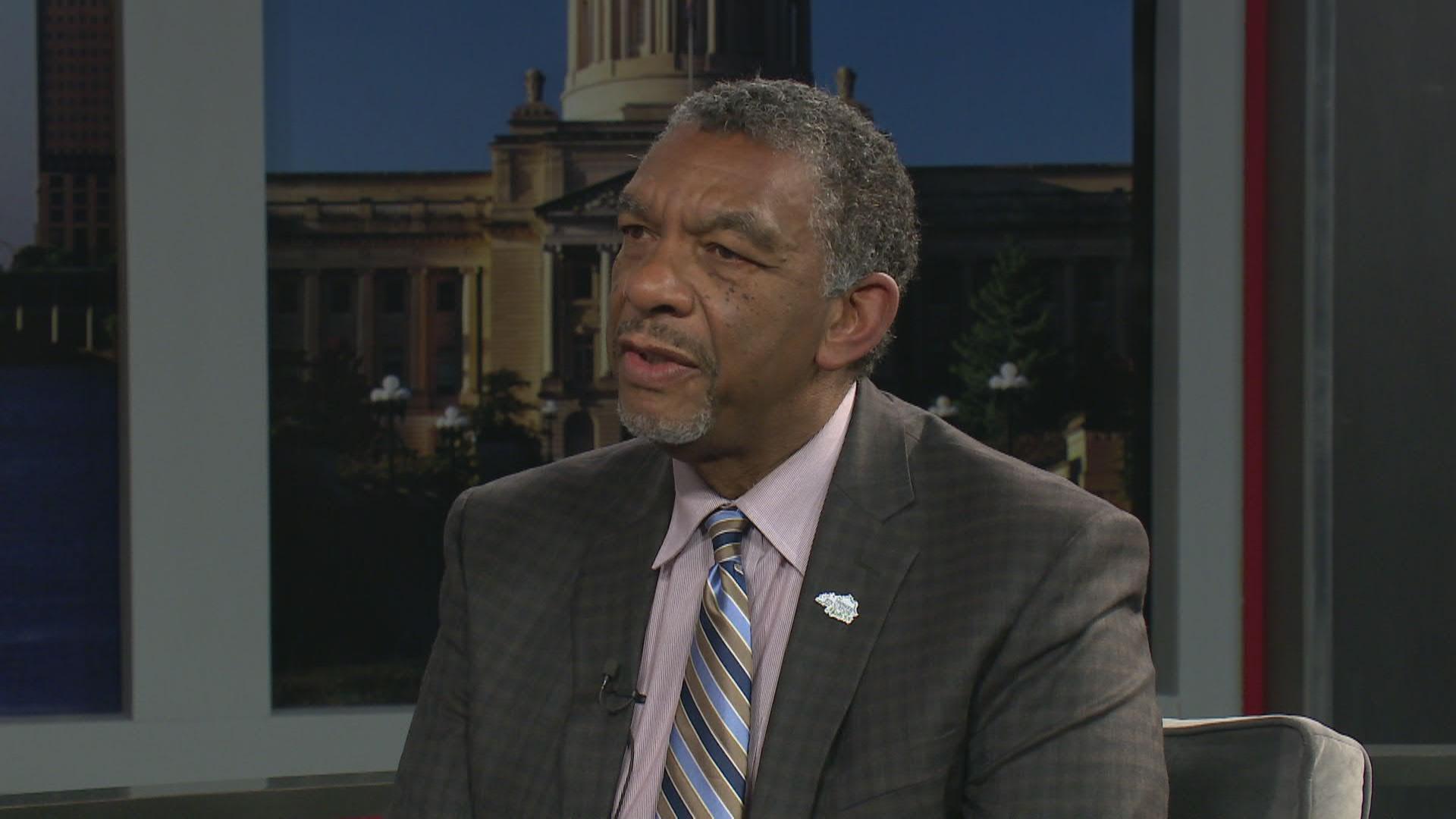


With 90 percent of today’s jobs requiring some form of postsecondary education, state officials are working to ensure that traditional students and adult learners have viable options for attaining a college degree or training certification.
But issues of access, affordability, and life challenges can make it difficult for would-be students. Even though the number of people earning credentials in the state is up, Kentucky Council on Postsecondary Education President Aaron Thompson says overall college enrollments are down.
“We have to get the college-going rate up again, we have to get more adult learners involved, we have to get more out of state students to come to Kentucky and stay in Kentucky,” says Thompson. “We’re going to have to do all of those to stay on track.”
Proposed Legislation on Tuition Increases
Even with a range of financial aid options available to students, the costs of attending college or postsecondary training continues to escalate. One factor driving those increases, according to Thompson, is a decline in funding from Frankfort for higher education.
“In 1999, the state was paying for 70 percent of the college-going for a student. Now it’s paying 29 or 30 percent,” Thompson says. “For us to keep tuitions down, we need more state input.”
Since 2023 is a non-budget year, lawmakers have no plans to change postsecondary education funding during the 2023 General Assembly session. If they did, Thompson says he would encourage them to revisit the performance-based funding model that allocates state dollars to public colleges and universities based on each institution’s success at achieving certain metrics. To date, Thompson says most schools have received no performance-based funds at all.
He also says the legislature should consider dollars to promote a “P-20” pipeline, which would facilitate a young person’s academic journey from pre-school through college and into good-paying careers.
One bill that has been introduced could change how schools pursue tuition increases. House Bill 136 would prohibit tuition increases of more than 5 percent a year and would freeze a student’s tuition to the rate they pay as a freshman. Thompson says that means college seniors could pay up to 15 percent more in tuition than incoming freshmen.
“The sponsor is saying that it offers predictability and it limits tuition,” says Thompson. “I guess you can say it has some predictability, but... you’re going to have a disparity so much so in those classes that it’s going to create a situation whereby I feel that many of our low-income students [and] students of color will be in a situation where they can’t continue to afford [school].”
Thompson contends states that have tried this approach, which he says includes Illinois and Texas, have failed to reduce tuition increases. Plus, he says the 5-percent tuition-increase cap proposed in Kentucky’s bill is dramatically higher that what CPE has recommended in recent years, which he says has averaged about 1.3 percent. He also fears the legislation would also allow school presidents to increase tuition without considering inflation or other market forces.
Another provision of House Bill 136 that concerns Thompson would put more students on campus governing boards. While student participation is a laudable goal, Thompson contends once a student becomes a trustee or regent, they represent the school or the greater community, not the student body. He says putting too many students on those boards could also create accreditation problems.
“Our presidents are surely not for either one of these, and many of our board members that I’ve talked to aren’t either,” says Thompson.
Helping Students with Academic as well as Social-Emotional Needs
Tuitions aren’t the only challenge facing students.
“There’s other issues that people don’t talk about as often, like housing insecurity,” he says. “In other words, where are they going to stay at, or how do they find dollars to even stay on campus.”
Many students also face food insecurity, which Thompson says has prompted every campus to host food pantries that are open to any student regardless of need. Then there’s mental health care. Thompson says more than a third of students are dealing with some form of mental health concern, which could range from stress to a severe issue that could put an individual at risk of suicide. He says schools have worked hard to provide more mental health counselors and make those services easier to access, but he contends much more needs to be done.
“This is different than what we used to just think about when we were building our on-campus help – it was about academic services,” says Thompson. “We still have to do that… but now we’re going to have to build out that entire student-support system.”
CPE has set a goal that 60 percent of working Kentuckians will have a postsecondary degree or credential by 2030. He says that number now stands about 50.5 percent, but he is optimistic the state will meet the goal. He warns, though, that it will take the schools, higher education advocates, lawmakers, and the business community all working together to make that happen.
“We’ve got over 400,000 people in the state with some college but no credential,” he says. “So how do we reach out to them?”
While overall college attendance is lagging, Thompson says enrollments among the state’s minority students is up over the last five years. He adds that now is the time to double-down on efforts to boost enrollment and retention of students of color as well as those from low-income families and from rural communities.
In addition to addressing the financial concerns and social-emotional needs of all students, Thompson says schools and employers can partner on academic programs targeted to the needs of their local economies. Schools can offer more classes online or at non-traditional times to better serve students who have to juggle work and family obligations. The institutions can also offer college credits for work experience. The state can create remedial classes to help high school students who experienced learning loss during the COVID pandemic be better prepared to enter college.
“It’s important for higher ed to be in this game, and I think it’s important for us to work with the legislature and other partners like employers to make sure that we are doing what’s good for Kentucky,” he says.