

When social workers, attorneys, and the courts intervene to help abused and neglected children, they are guided by laws that can determine the fate of youth in state care – laws that generally encourage reuniting a child with his or her family.
But a group of special volunteers known as court-appointed special advocates (CASA) are driven by a unique mission in their work to help young Kentuckians in the child welfare system.
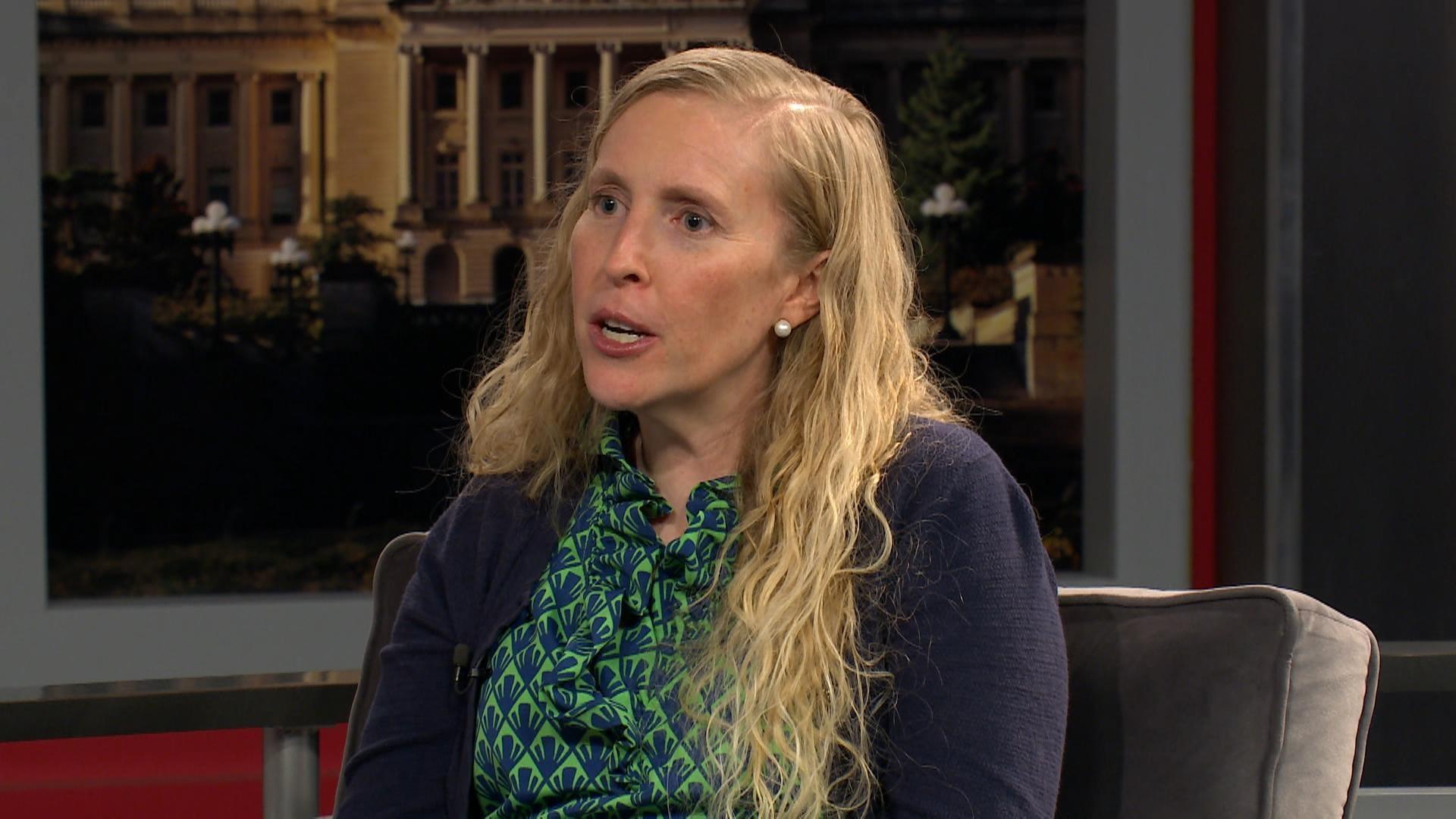
“We are the only party that’s there solely for what’s in the child’s best interest,” says Melynda Jamison, executive director of CASA of Lexington.
“People are very unaware of how much child abuse and neglect is going on: last year, 17,000 new petitions here in Kentucky,” she says. “We have to start somewhere where we can break the cycle. I firmly believe CASA is one of those ways.”
The Process of Becoming a Volunteer
CASA volunteers are people from all walks of life, from college students to retirees. Jamison says they must be at least 21 years old, complete 30 hours of training over two months, and undergo background checks.
“They don’t have to have any special expertise or degrees when they come to us. We’re going to teach them what they need to know,” says Jamison. “They just need to have a heart for children.”
After volunteers complete their training, they have a final interview with CASA staff to discuss the types of cases they would prefer to handle. For example, some volunteers want to assist infants and toddlers in state care, while others ask to work with older children. Jamison says they want the volunteer to be a good fit for the child or siblings they may be assigned. A staff person accompanies the volunteer during the first of their monthly visits with the child, and then supervises the volunteer throughout the process.
Because the volunteers are appointed by the courts and sworn to confidentiality, they are able to obtain school and medical records for the child. They also talk with the child’s family, social workers, and teachers. The information the volunteer gleans from those conversations and from the child’s records goes into a report that becomes part of the official court record for that child.
“Often the judges never meet these children that they’re making life-long decisions on behalf of,” says Jamison. “The report gives them picture about the child.”
The document includes recommendations for the child. Jamison says that could include allowing the child to have overnight visits with his or her family, or terminating parental rights and placing the child for adoption. While social workers are generally required to reunify families, Jamison says CASA volunteers aren’t bound by those mandates if that’s not in the best interest of the child.
“We are all for reunification if it’s a safe and permanent home,” says Jamison.
Volunteers can also make other recommendations that can have tremendous positive benefits for the child. Jamison points to one case where a girl in foster care was performing poorly in school and placed in special education classes. After working with the child, her CASA volunteer recommended sending her to an optometrist to check her vision.
“No one had taken the time or noticed that she needed eyeglasses, but thought instead that it was an IQ situation and she needed to be removed from the classroom,” Jamison says.
With her new glasses, the child was able to move from special education instruction into advanced placement classes.
Demand for Volunteers Far Outpaces the Supply
CASA of Lexington had a roster of 286 volunteers last year who served children in Bourbon, Fayette, Garrard, Jessamine, Lincoln, Scott, and Woodford Counties. Jamison says 21 other CASA programs have volunteers working in 80 Kentucky counties.
“We want to serve all 120 counties and we want to have a volunteer for every child that needs one,” she says.
But with the state’s alarmingly high rates of child abuse and neglect, the number of children in need far outpaces the supply of volunteers. Statewide last year, about 1,300 CASA volunteers assisted 3,758 children. But there were more than 17,800 children involved in court cases of abuse and neglect, according to the Kentucky Administrative Office of the Courts and the Kentucky CASA Network.
Jamison says Fayette County alone sees about 1,500 abused and neglected youth each year, but her organization is only able to serve about 600 children. She says they especially need more men and people of color to volunteer.
“We need communities to step up and come to the table because children, I do think, connect when they see a visible characteristic that they can identify with,” says Jamison. “There are children waiting for you, and through five or 10 hours a month, you can literally impact generations to come. Maybe the child you’ll be matched [with] finds the cure to cancer or becomes president.”
CASA’s Canine Companion
Beyond the work of dedicated volunteers and staff, CASA of Lexington also includes a four-legged companion named Matilda. As the only certified courthouse facility dog in the state, Matilda accompanies children when they have to testify against their perpetrators in court proceedings.
“We can turn the leash over to the child and she can provide a sense of comfort for them,” says Jamison.
Matilda has been with CASA for four years, and has visited three dozen counties across the state to support children and provide them with unconditional acceptance.
She is also featured in a new children’s book titled “Oscar’s Family.” Penned by Jamison and illustrated by Matthew Walden, it follows a young boy through his time with his CASA volunteer. Jamison says volunteers can use the book when they first meet a child to help explain what their process together will be like. The story also helps children understand that families can be comprised of people who don’t look alike or live together.