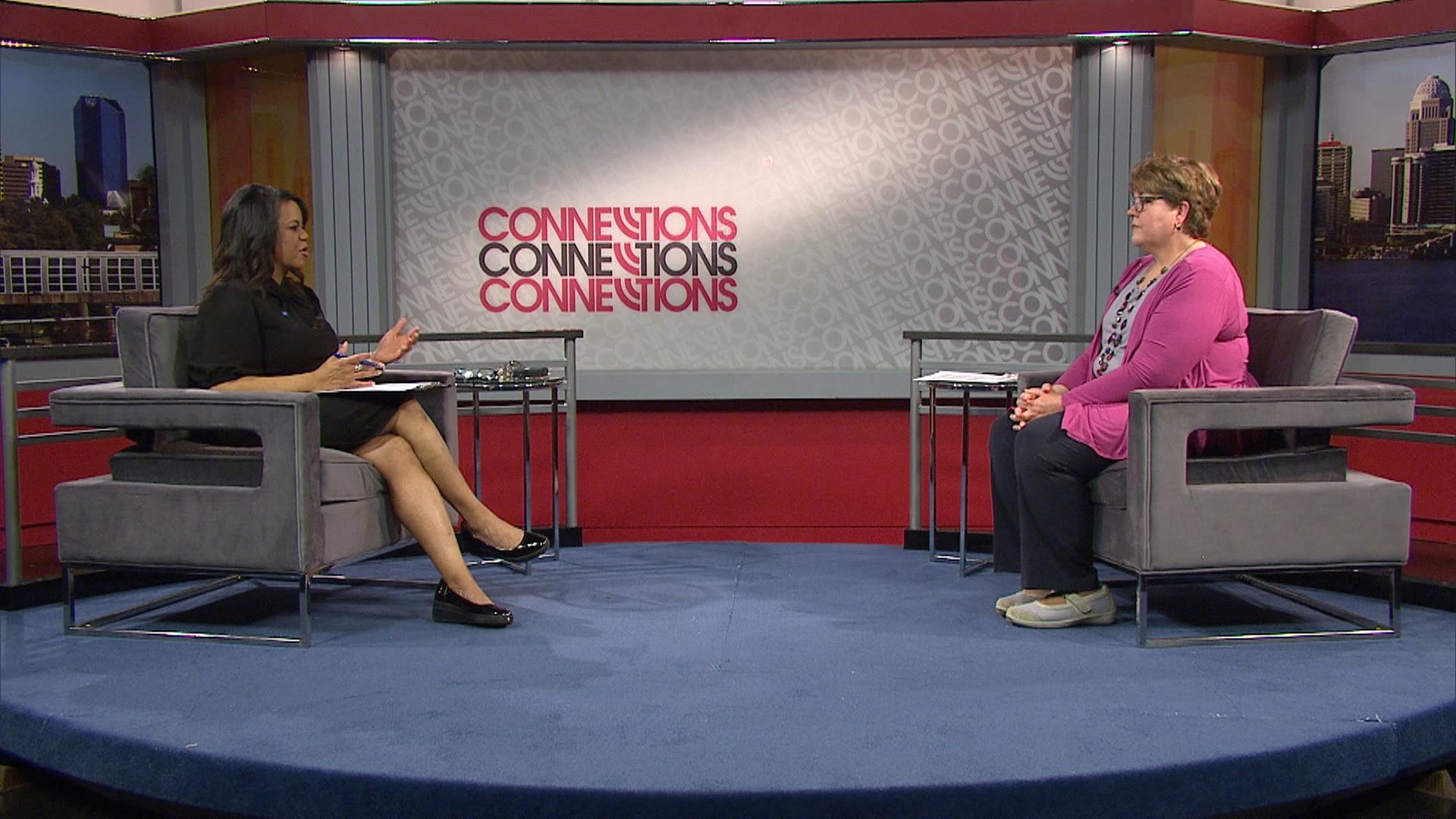


Among the societal impacts of the COVID-19 that researchers will unravel is how the pandemic effected the lives of children and families. Child welfare advocate Jill Seyfred says school and work closures, social isolation, health concerns, and economic insecurity combined to create dangerous times for some families. She says mental health problems, substance abuse, and domestic violence all increased during the pandemic.
“People are cooped up at home and tempers flare, and there’s no role model at home for how to be a good parent,” says Seyfred. “You mix all that and it’s a very volatile situation.”
While this environment could easily have led to more incidents of child abuse and neglect in the commonwealth, state officials say the number of reports actually decreased during the pandemic. They caution that that doesn’t mean there were fewer incidents, though. In fact, the number of child fatalities and near fatalities from abuse as seen by health care workers jumped by 22 percent over the past two years. Seyfred, who is executive director of Prevent Child Abuse Kentucky, says teen emergency room admissions for attempted suicides also increased significantly in the last year.
It’s more likely that reporting declined since children weren’t in school or out in places where people might have seen something in the child that that would have led to a report of suspected abuse. For example, Seyfred says teachers told of having students who failed to participate in virtual instruction because they didn’t want anyone to see what their home lives looked like.
Prevention Training Starts in Infancy
Educational programs for children about how to avoid potential abuse traditionally centered around “stranger danger” – that is, be on alert for the person you don’t know who could do you harm.
But the stereotype of a suspicious individual in a trench coat lurking in the shadows and waiting to nab a child off the street doesn’t match current realities, according to Seyfred. She says research indicates that abuse is much more likely to occur at the hands of someone the child and his or her family already knows.
“It’s the coach, it’s the next-door neighbor, it’s the person down the street, it’s, unfortunately, the person that you might worship with,” says Seyfred. “It’s people in your child’s life that have gained the trust of the child and the parent.”
Because the potential perpetrator is a familiar face, Seyfred says that can make it easier for them to do what’s called grooming. That’s the slow and subtle application of manipulative behaviors by an abuser to earn the victim’s trust and coerce the child into accepting the abuse and remaining quiet about it.
“It starts very innocently enough, but soon that perpetrator knows a lot about the child and the child’s family,” she says. “Often the perpetrator will say, ‘This is just our secret, your mom doesn’t need to know or your dad doesn’t need to know.’”
Since knowledge is critical to preventing abuse, Seyfred’s organization provides a range of training programs for parents, caregivers, and others. She says it’s never too early to talk to children about abuse prevention. For example, she recommends starting in infancy, by saying aloud the names of the body parts when diapering a child. She says the child will begin to learn the proper names for different parts of their bodies, and the caregiver will become more comfortable using those words.
As the child gets older, she encourages parents to not force their son or daughter to hug specific people like a relative or cherished family friend. Instead, parents should let the child decide who they feel comfortable hugging.
“The child has to be able to differentiate between who can I trust, who do I feel comfortable with, who gives me that sinking feeling in the pit of my stomach,” says Seyfred. “We have to be able to trust the child to set those boundaries.”
Child Welfare Legislation Wins and Losses
Seyfred praises the 2022 General Assembly for enacting a range of child welfare measures contained in Senate Bill 8. She says she’s especially pleased that lawmakers clarified the definition of neglect to remove poverty, which she says will help avoid punishing low-income families.
“You can have (modest) financial resources and still be a really, really good parent,” Seyfred says.
SB 8 also broadens the definition of fictive kin to include a broader circle of close family friends who could step in to care for a child in need of out-of-home placement. Seyfred says the legislation also expands the types of prevention programs the state Attorney General’s Child Victims’ Trust Fund can support, and it improves reimbursements to child advocacy centers for medical examinations in abuse and neglect cases.
But Seyfred says lawmakers missed several crucial opportunities to address other child welfare issues. For example, she says the legislature has still declined to pass a statewide ban on paddling in schools. Out of the state’s 171 school districts, 19 systems still allow corporal punishment.
“We know that children of color and children who have learning challenges are paddled at school at a disproportionate level compared to other children,” says Seyfred. “If it’s happening in one school district, we know that it’s one too many and that there’s at least one child in that school district that’s being subjected to behavior that is not conducive to that child’s learning.”
She’s also disappointed legislators failed to appropriate funding for the Commonwealth Center for Fathers and Families, a statewide non-profit that works to strengthen the role of dads in their children’s lives.
“Statistics indicate when a father is engaged in the life of a child, regardless of whether the father is actually living in the home, the outcomes for that child increase dramatically,” Seyfred says.
For example, she says pregnancy rates and high school drop-out rates improve when a positive father figure is present in a child’s life. The health of the child is also often enhanced.
Prevent Child Abuse Kentucky requested funding for the Commonwealth Center, but lawmakers did not include that money in the state budget. Seyfred says funding for the organization runs out at the end of June.