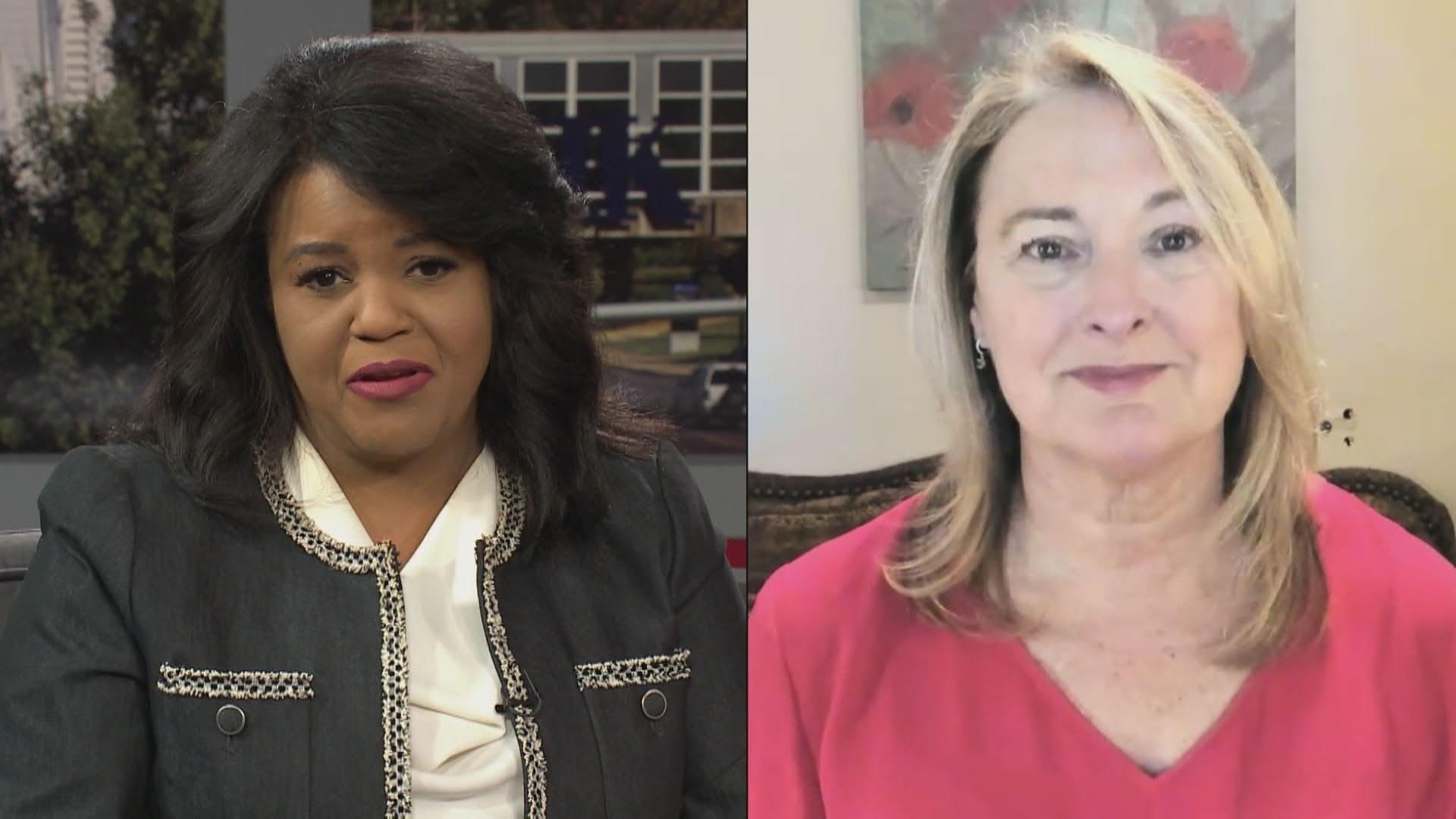


Whether the result of declining health in old age, or debilitating conditions that can occur at any age, Americans are facing the challenges of caring for loved ones who can no longer look after themselves.
Kentucky alone has more than 600,000 caregivers who spend some 570 million hours in service to a parent, grandparent, sibling, or other relative. AARP family and caregiving expert Amy Goyer says that results in an economic value of $8.6 billion.
“Family caregivers are providing so much care,” she says. “We are the backbone of the long-term care system in this country.”
Tips for Caregiving at Home
Goyer’s own experience as a caregiver began in college when she began looking after her grandparents. She later cared for her parents, which necessitated a move from Washington, D.C. to Arizona. Now she consults on caregiving in addition to leading an online support group for those tending to a loved one.
Her top suggestion for someone embarking on a journey of providing care is to muster all the resources you can find.
“First, figure out who’s your team: What family can help, what friends or neighbors can help?” says Goyer. “It might be that they provide support for you so you free up your time to be the caregiver.”
Those people may run errands for you, cook food, perform home or lawn chores, or do other mundane tasks that allow you to focus on the more critical work of meeting the loved one’s needs. Expanding beyond that personal network, Goyer says to contact local and state agencies on aging. (The VA is a resource that can help former military service members.) They can provide information on a range of services from meals on wheels and transportation, to visiting nurses and in-person and virtual support groups.
“Many caregivers feel so isolated – they don’t have that kind of social support,” says Goyer. “You can at least find it in an online group, and that’s definitely better than nothing.”
Another critical task for caregivers, according to Goyer, is to plan for their own physical, emotional, and financial wellbeing
“We always put ourselves at the bottom of the list because we think our loved ones are more vulnerable than we are, and the fact is that we as caregivers, we are vulnerable,” she says. “Care for myself is not a selfish thing... It’s a practical thing,” she says.
That self-care starts with simple daily breaks like a cup of coffee with friends, exercise sessions, and getting a good night’s sleep. Expanding from there, Goyer says it’s important to maintain a nutritious diet and tend to your own health with regular doctor’s visits. Finally, she says taking the occasional weekend off and even a full vacation are important for recharging one’s wellbeing.
“Those things are critical because they make us better caregivers,” says Goyer.
About 60 percent of those providing care for a family member continue to work their regular jobs. Despite the struggle that can create, Goyer says people do that because they need to maintain their incomes. She encourages caregivers to engager professional financial planning services to help protect their personal savings. Goyer laments how she took on debt during the course of providing care for her parents.
“My one regret is that I didn’t spend the money to get a financial advisor for me,” she says. “I was so focused on their care... that I didn’t take good care of myself financially.”
When At-Home Care Becomes Impractical
At some point, in-home care may no longer be possible. But Goyer cautions that living in a nursing home can be incredibly expensive, costing $95,000 a year and up. That’s why she suggests exploring other options first that may be more manageable. For example, she says adult daycare services run an average of $19,000 a year. In-home companions can be $59,000 for 44 hours a week, while home health aides boost the cost up to $62,000.
If moving into assisted living or a nursing home is necessary, Goyer says people must still look after their loved ones to ensure a proper delivery of promised services.
“When someone’s living in a facility, you really need to be there every day to make sure that they’re getting the care that you expect them to get,” she says. “People get better care when [staff] know that family members are coming around.”
Whether looking after a family member at home, or monitoring the services provided by a long-term care facility, Goyer encourages people to be intentional about spending quality time with the loved one that doesn’t specifically involve care. That can be watching a favorite television show together, looking at old photos, listening to music or singing, or participating in outside family gatherings.
“Remember, they are who they have always been,” says Goyer. “There are maybe some layers of illness, disease... dementia, [but] that is still your parent, your spouse, your sibling, your aunt, your uncle, your grandparent.”
The time will come when the loved one dies, which Goyer says can leave a huge void in the caregiver’s life. You miss the family member, she says, and you no longer have the all-consuming responsibilities.
“After more than a decade of very intensive caregiving… I had a much harder time adjusting than I thought I would,” says Goyer. “When that wasn’t there, I kind of had forgotten how to just create joy for myself.”
In the end, Goyer says she told herself that she did a good job tending to her relatives, and that she had no regrets about care she gave them.