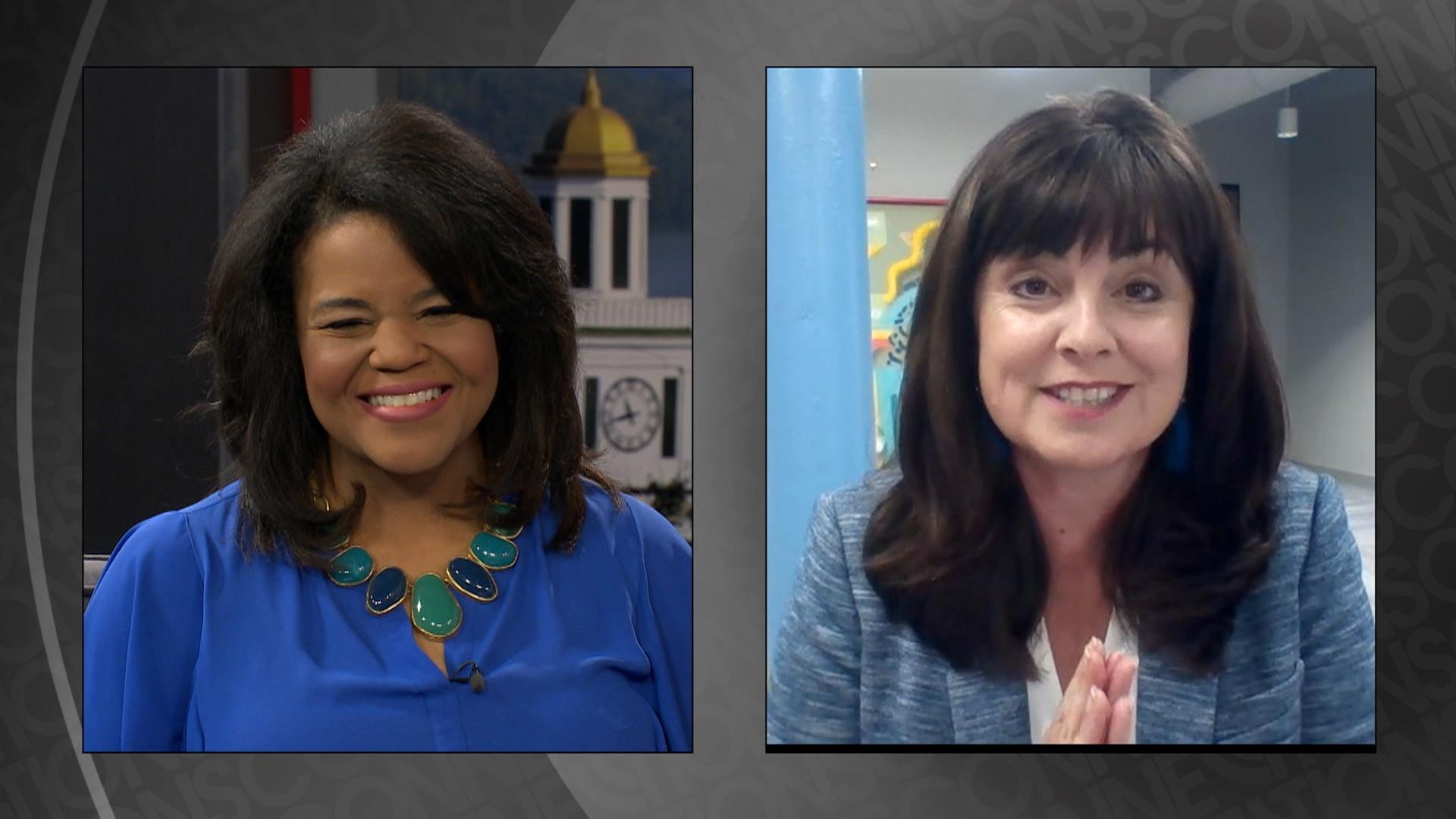


Want to make your business or organization more competitive, productive, and innovative? It doesn’t take high-priced consultants, organizational restructuring, or team-bonding exercises. Leadership Louisville Center President Cynthia Knapek says all you have to do is hire and promote more women and people of color.
“Diversity… isn’t simply a nice thing to do nor is it just the right thing to do,” says “It’s also the best business strategy.” says the veteran executive.
Among Fortune 500 company CEOs, only 39 are women, according to Knapek. Only four chief executives on the list are Black (three men and one woman).
But the reason for hiring a diverse workforce goes far beyond touting numbers in an annual report. Knapek says companies have to evolve their corporate culture to give women and people of color opportunities for inclusion and belonging.
“Inclusion is all about having a voice,” she says “Belonging is about having your voice matter, and companies who master that, I think, are at the cutting edge of where we all need to be.”
Challenges Facing Women at Work
In earlier years, “command and control” was the preferred style of many in upper management. But today’s workers want a different kind of leadership at work. She says a recent study polled 64,000 people to learn about the common characteristics of business leaders today.
“Of the top-10 things that we want in our 21st century leaders, women had eight of the 10 characteristics,” says Knapek. “Things like collaboration, things like authenticity, things like emotional intelligence – all of those things that are traits that women do well.”
When a company promotes females to leadership, says Knapek, the data shows they perform well and generate great returns for the company. She says their sense of authenticity and their ability to be vulnerable contribute to another key ingredient to the success of a business.
“Trust is the great accelerator in your workplace,” Knapek says. “If your team has trust, then you can outperform everyone else, you can get things done faster than everyone else.”
Knapek attributes the dearth of women in corporate hierarchies to unconscious bias in the workplace and an underdeveloped leadership pipeline that can mentor female employees and help them advance up the ranks. She says women are partially to blame for that.
“I think that women have not always been kind to each other in the world of work,” says Knapek.
That’s because women have seen executive jobs as a scarce resource, according to Knapek. Since there were so few leadership positions open to women, they had to fight to get those spots and then protect those gains when they achieved them. But Knapek says a better strategy is for women leaders to make room for other females
“What we have learned is that we are better together,” she says. “We will have better opportunities when we have someone else at the table who can support us, uplift us, who thinks in a similar way. So as opposed to thinking of it as a scarcity mindset, when we think of it as a multiplier, we’re all better off.”
But if climbing the corporate ladder wasn’t tough enough, women have encountered a new, very different challenge in the last year. Changes brought on by the COVID-19 pandemic have displaced an estimated 2 million women from the workforce. Some lost their jobs when businesses shuttered, while others opted to leave work to care for children forced to stay home because of school and child care closures.
For women who kept their jobs, Knapek says remote work presented its own challenges. Instead of putting in an eight-hour day at the office, she says women found themselves working 10, 12, or even 14 hours because it was so easy work at any time of the day or night. She jokingly says the people aren’t working from home during the pandemic so much as they are living at work.
“That is not sustainable and it will continue to impact the mass exodus of women in the workplace,” she says.
At the same time though, Knapek says the pandemic has created a unique opportunity for companies to reimagine how the workplace functions – one that provides more flexibility for employees without creating what she calls “boundary-less work” that can contribute to burnout.
Moving from “Polite” to “Right” on Race
While the pandemic upended normal business activities, the ongoing protests against police brutality and racial violence have caused corporate leaders to rethink race in the workplace
“All the activity that happened [last] summer forced people to pay attention and I think that is a good thing,” says Knapek. “Because they were forced to pay attention and forced to do something, they are starting to subscribe to what people have been saying for a long time, which is diversity is good for everyone.”
Even though talking about race and racism with coworkers isn’t easy, Knapek contends it’s vitally important, especially in Kentucky.
“Most southern communities are so bad at having difficult conversations,” she says. “We have for so many years valued polite over right, and that makes it incredibly difficult for us to address uncomfortable and unfortunate situations.”
Knapek says a positive change is the rising popularity of employee resource groups (ERGs). These voluntary, employee-led groups form around a common life experience or characteristic, and can serve as a support network for those employees and help advance their career development.