Skip to Main Content

Heart Failure: Prevention and Treatment

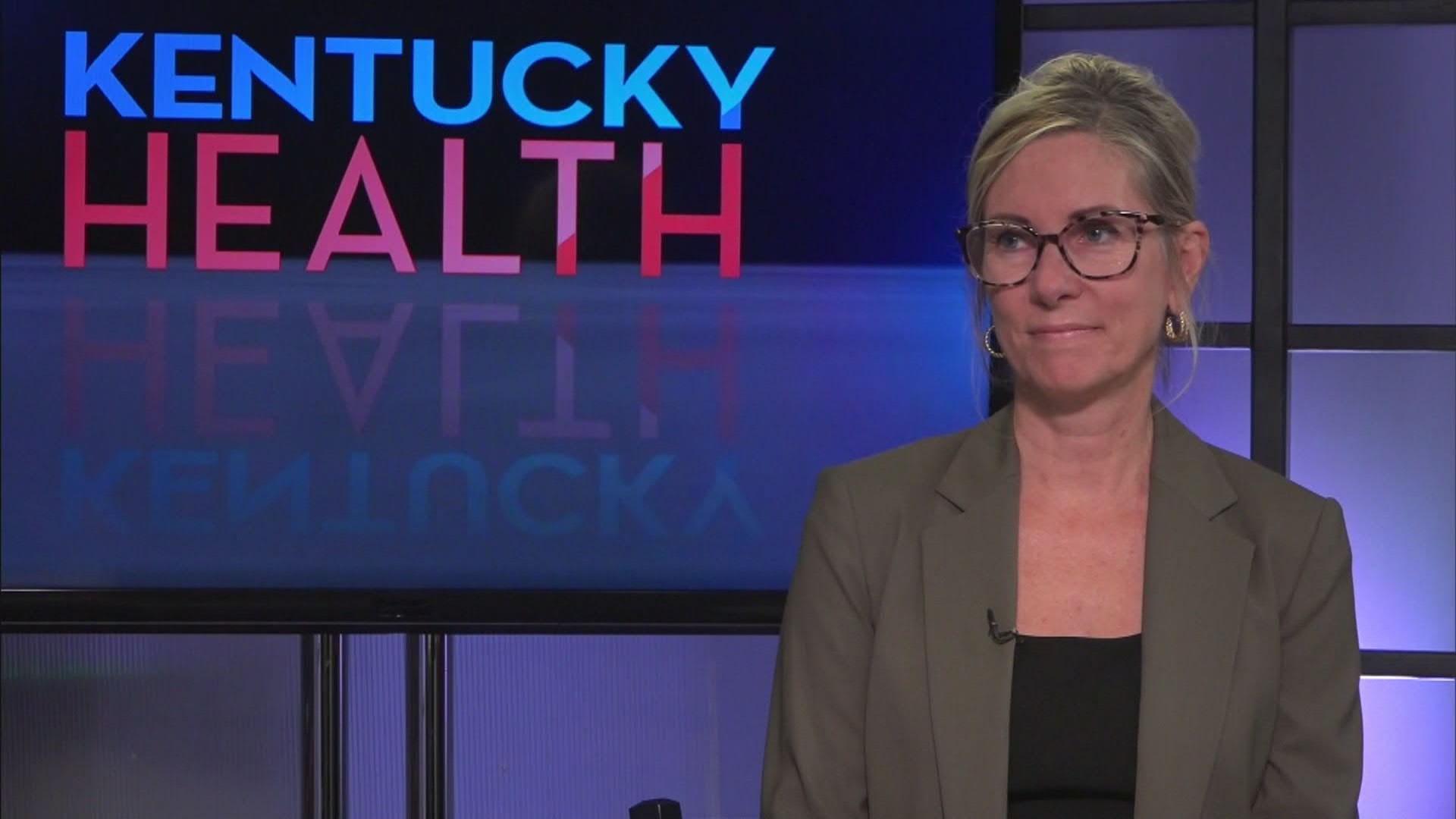
Cardiologist Dr. Stephanie Moore talks about heart failure, including prevention and treatments.
Season 19 Episode 8 Length 27:23 Premiere: 11/19/23

About

Join host Dr. Wayne Tuckson, a retired surgeon, as he interviews experts from around the state to discuss health topics important to Kentuckians.


Funding for this program is made possible in part by:

The Foundation for a Healthy Kentucky logo showing the name and an illustration of Kentucky divided into six blue and green sections separated by white rays

About the Host

A native of Washington, D.C., Dr. Wayne Tuckson is a retired colon and rectal surgeon based in Louisville. For over 20 years, he has served as host of Kentucky Health, a weekly program on KET that explores important health issues affecting people across the Commonwealth. A graduate of Howard University School of Medicine, Tuckson is a past president of the Greater Louisville Medical Society and is a recipient of the Community Service Award from the Kentucky Medical Society, the Thomas J. Wallace Award for “Leadership in Promoting Health Awareness and Wellbeing for the Citizens of Jefferson County” given by the City of Louisville and the Lyman T. Johnson Distinguished Leadership Award given by the Louisville Central Community Centers.

Cardiologist Discusses How to Prevent a Chronic Disease and Innovations in Treating It

In this episode of Kentucky Health, Dr. Wayne Tuckson welcomes Dr. Stephanie Moore, a cardiologist with UofL Health and the medical director of the Advanced Heart Failure Therapy Program, to discuss diagnosing heart failure and innovations to treat the chronic disease. Here are three key takeaways from the conversation:

1) Heart failure affects over 6.5 million Americans, and it is a chronic disease.

A healthy human heart beats more than 100,000 times a day and pumps over 2,000 gallons of blood throughout the body to nourish all other organs and sustain life. For persons with heart failure, the heart is weakened and loses its ability to pump blood effectively.

“When somebody tells you, ‘You have heart failure,’ that should grab your attention,” Dr. Moore says. “We never want that organ to fail… There’s no turning off your heart.”

One in four Americans will be diagnosed with heart failure at some point during their lives, Moore says. She notes that diabetes and hypertension are the most prominent risk factors for developing heart failure, which account for half of the patients diagnosed.

“It happens as you get older, it’s more associated with hypertension, coronary artery disease, valve disease – older people things – but it can happen (earlier),” Moore says. “My last patient that I saw before coming here is 39 years old.”

Having a family history of heart failure also increases one’s chances of being diagnosed. Research conducted over the past 20 years has helped cardiologists connect certain genes to heart failure, Moore explains. Now, around a third of patients who are diagnosed with the disease but do not have hypertension or diabetes are found to have a genetic component as the cause.

“Just because you have the gene doesn’t mean you’re going to get heart failure,” Moore says. “You can have the gene, but the gene needs to turn on.” Moore and her team will ask patients about any family history and then swab the inside of the mouth for saliva testing. Patients who do have genetic predisposition but do not have heart failure are urged to follow a healthy diet and exercise regularly to ward off hypertension, diabetes, and/or coronary artery disease, any of which can “trigger” the gene, according to Moore.

The main symptom of heart failure is shortness of breath, which can occur even when lying down. This is caused by edema, or fluid accumulating in the lungs. The fluid can also build up in the ankles or abdomen, Moore says. Fatigue caused by this shortness of breath and fluid buildup is also a symptom, along with arrythmia.

Some persons with heart failure are able to engage in routine physical activity and lead relatively normal lives, but the disease has different stages. “Just because you (are diagnosed with) heart failure does not mean that you are failing,” Moore says. “It’s a chronic condition that needs medication and needs attention, and it’s very common because all of the risk factors are very common.” Those with advanced-stage heart failure comprise around 15 percent of all patients and are severely limited in what they can do.

2) Diagnosis of heart failure is fairly simple, and the list of preferred medications for treatment is short. Innovations in treatments beyond medications are ongoing.

Moore says heart failure is diagnosed in the clinic and begins with examining the patient’s neck, to see how the carotid artery is functioning.
“We listen to your lungs, we listen to your heart, we take your pulse, we do our exam – and then we (review) your history, if you’re short of breath when you walk. We should be able to tell by physical exam if someone has heart failure,” she concludes.

If a lab test is needed, however, Moore says a heart ultrasound called the echocardiogram is the gold standard. This test will measure the heart’s pumping capacity, called the ejection fraction, which needs to be at 50 percent or higher to be effective. If the underlying cause of heart failure is discovered in the echocardiogram – stiff arteries or a leaky heart valve, for example – the cardiologist and team will try to address that issue.

Four basic medications are used to treat heart failure, Moore says. These drugs block hormones sent from the kidney that, in patients with heart failure, signal it to work less efficiently, which will lead to dilation of the heart muscle, lower ejection fraction, and eventually fluid buildup elsewhere in the body. Once these medications take hold, the patient’s heart will, as Moore explains, “reshape itself” and function again.

If patients are unresponsive to these medications, Moore says the best remaining options are a heart transplant (Louisville is a national leader in doing them) and heart pumps. These pumps, called left ventricular assist devices (LASDs), are small in size and are surgically implanted into the heart muscle in the lower left chamber (ventricle). The device has an outflow graft to the aorta, which is the main vessel transporting blood to the body.

“It provides five liters of (blood) flow and assists your heart, which might be able to do one or two liters on its own, to the rest of your body,” Moore explains. The LASDs run on batteries which patients can carry in a vest, fanny pack, or other clothing accessory. “It does not stop you from living your best life,” she says. “The only thing you cannot do is swim.”

Moore says many of her patients using LASDs are living 10 years or more with the devices, and the technology is improving. “The beauty of it is you take away a lot of the medications you normally have to take,” she adds. “A transplant is wonderful – it is a gift, it is a miracle. But there is immune suppression. The pump doesn’t (cause) immune suppression, require any biopsies, or anything like that.”

To qualify for a heart transplant, Moore says that a patient has to have failed medical therapy, have an ejection fraction rate of less than 25 percent, show significantly reduced function via a specialized stress test, and then undergo a heart catheterization procedure to prove that the lungs are working normally. “For a transplant to be successful, you have to be healthy otherwise,” she says.

3) The best treatment for heart failure is to avoid getting it.

With very few exceptions, a person diagnosed with heart failure will become worse over time, although as noted above there are effective ways to slow this progression.

Humans are more susceptible to developing heart failure as we age, Moore acknowledges. “But you know what – keep going. It’s going to happen, it’s called wear and tear, but you can prevent the ailments of aging,” she reasons. “Keep moving, eat a vegetable, stop smoking, or don’t start smoking. That’s my big thing.”

Moore stresses that people don’t have to achieve triathlon-level fitness to keep their hearts healthy. Moderate, regular exercise will do the trick. “You have to use your tennis shoes,” she says. “It’s simple walking, getting your steps in. Do not be sedentary.”

She also encourages persons diagnosed with prediabetes to make the necessary dietary and lifestyle modifications to prevent or delay getting Type 2 diabetes. The same goes for those whose blood pressure readings are getting progressively worse. Reducing salt intake and eating more vegetables are two necessary changes, and Moore urges those who use tobacco to sign up for cessation programs.

“It’s amazing, if you do some of this stuff, say you cut out soda, say you cut out snacking, say you decrease salt (intake), now that’s not too hard… and you say, ‘Every day, I’m going to walk a mile.’ You will change in 12 little weeks,” Moore says. “It’s amazing how much your body wants to be healthy.”

Sponsored by:

Season 19 Episodes

Better Health and Healthcare Delivery Through Data

S19 E26 Length 26:42 Premiere Date 05/05/24

Balancing Finances and Keeping Good Health

S19 E25 Length 26:46 Premiere Date 04/28/24

Re-Envisioning Pediatric Care

S19 E24 Length 26:43 Premiere Date 04/21/24

Two-Generation Pediatric Care

S19 E23 Length 26:50 Premiere Date 04/14/24

Housing the Unhoused Is Healthcare

S19 E22 Length 26:48 Premiere Date 04/07/24

Controlling Stress: How to Live Your Best Life

S19 E21 Length 26:47 Premiere Date 03/31/24

RSV, COVID, and Influenza

S19 E20 Length 26:48 Premiere Date 03/24/24

Climate Change: A Change in Our Health

S19 E19 Length 26:47 Premiere Date 03/17/24

Markey Cancer Center: Changing Cancer Treatment in Kentucky

S19 E18 Length 26:32 Premiere Date 02/25/24

Sustainability: Government, Corporate and Public Cooperation

S19 E17 Length 26:43 Premiere Date 02/18/24

Federally Qualified Health Centers: More Than a Safety Net

S19 E16 Length 26:40 Premiere Date 02/11/24

Government Sponsored Health Insurance: Value and Promise

S19 E15 Length 26:32 Premiere Date 02/04/24

The Unspoken and Misunderstood Stigma of Eating Disorders

S19 E14 Length 27:31 Premiere Date 01/28/24

Bariatric Surgery: Intervention for a Chronic Illness

S19 E13 Length 27:29 Premiere Date 01/21/24

Suicide Prevention: The First Step to Mental Health

S19 E12 Length 27:31 Premiere Date 01/14/24

Rural Healthcare: Crisis or Opportunity on the Horizon

S19 E11 Length 27:31 Premiere Date 01/07/24

Taste Not Waste: Making Nutritious Dishes from Leftover Food

S19 E10 Length 27:19 Premiere Date 12/17/23

Breast Cancer: Innovations Beyond Screening

S19 E9 Length 27:23 Premiere Date 12/10/23

Heart Failure: Prevention and Treatment

S19 E8 Length 27:23 Premiere Date 11/19/23

Better Cancer Screening: The Answer Is In the Blood

S19 E7 Length 27:25 Premiere Date 11/12/23

Alzheimer's Disease and Related Dementia

S19 E6 Length 27:24 Premiere Date 11/05/23

Cannabis: The Hype, the Reality, and the Potential

S19 E5 Length 26:55 Premiere Date 10/29/23

Sleep Apnea: New Treatments

S19 E4 Length 27:14 Premiere Date 10/22/23

Senior Care: Better Health Care for the Golden Years

S19 E3 Length 27:16 Premiere Date 10/15/23

Pelvic Prolapse

S19 E2 Length 27:32 Premiere Date 10/08/23

Climate Change and Insect Vectors

S19 E1 Length 26:31 Premiere Date 10/01/23

See All Episodes

caret down

TV Schedules

Jump to Recent Airdates

Upcoming

Colon Cancer: The Patients are Getting Younger - S21 E18

Colon and rectal surgeon Sandy Kavalukas, M.D., discusses the changing demographics of colon cancer. A 2026 KET production.

  • Monday March 2, 2026 4:00 am ET on KETKY
  • Monday March 2, 2026 3:00 am CT on KETKY
  • Monday March 2, 2026 11:00 am ET on KETKY
  • Monday March 2, 2026 10:00 am CT on KETKY
  • Monday March 2, 2026 2:00 pm ET on KET2
  • Monday March 2, 2026 1:00 pm CT on KET2
  • Monday March 2, 2026 5:00 pm ET on KETKY
  • Monday March 2, 2026 4:00 pm CT on KETKY
  • Sunday March 8, 2026 12:30 am ET on KETKY
  • Saturday March 7, 2026 11:30 pm CT on KETKY
  • Sunday March 8, 2026 9:00 am ET on KETKY
  • Sunday March 8, 2026 8:00 am CT on KETKY

Repairing the Pelvic Floor - S20 E4

Urogynecologist Johnnie Wright Jr., MD, talks about repairing the failing pelvic floor. A 2024 KET production.

  • Friday March 6, 2026 11:00 am ET on KETKY
  • Friday March 6, 2026 10:00 am CT on KETKY
  • Friday March 6, 2026 5:00 pm ET on KETKY
  • Friday March 6, 2026 4:00 pm CT on KETKY

Changes in the Delivery of Pediatric Healthcare - S21 E5

Bethany Hodge, M.D., discusses the changes in pediatrics, addressing the new challenges of treating the health of children and adolescents. A 2025 KET production.

  • Sunday March 8, 2026 5:30 pm ET on KETKY
  • Sunday March 8, 2026 4:30 pm CT on KETKY
  • Monday March 9, 2026 4:00 am ET on KETKY
  • Monday March 9, 2026 3:00 am CT on KETKY
  • Monday March 9, 2026 11:00 am ET on KETKY
  • Monday March 9, 2026 10:00 am CT on KETKY
  • Monday March 9, 2026 2:00 pm ET on KET2
  • Monday March 9, 2026 1:00 pm CT on KET2
  • Monday March 9, 2026 5:00 pm ET on KETKY
  • Monday March 9, 2026 4:00 pm CT on KETKY
  • Sunday March 15, 2026 12:30 am ET on KETKY
  • Saturday March 14, 2026 11:30 pm CT on KETKY
  • Sunday March 15, 2026 9:00 am ET on KETKY
  • Sunday March 15, 2026 8:00 am CT on KETKY

Pneumoconiosis - S20 E5

Naureen Narula, MD, talks about coal workers' pneumoconiosis, also known as black lung. A 2024 KET production.

  • Friday March 13, 2026 11:00 am ET on KETKY
  • Friday March 13, 2026 10:00 am CT on KETKY
  • Friday March 13, 2026 5:00 pm ET on KETKY
  • Friday March 13, 2026 4:00 pm CT on KETKY

Thoracic Surgery: How Is It Done and When Is It Indicated - S21 E6

Mansi M. Shah-Jadeja, M.D., talks about thoracic surgery. A 2025 KET production.

  • Sunday March 15, 2026 5:30 pm ET on KETKY
  • Sunday March 15, 2026 4:30 pm CT on KETKY
  • Monday March 16, 2026 4:00 am ET on KETKY
  • Monday March 16, 2026 3:00 am CT on KETKY
  • Monday March 16, 2026 11:00 am ET on KETKY
  • Monday March 16, 2026 10:00 am CT on KETKY
  • Monday March 16, 2026 2:00 pm ET on KET2
  • Monday March 16, 2026 1:00 pm CT on KET2
  • Monday March 16, 2026 5:00 pm ET on KETKY
  • Monday March 16, 2026 4:00 pm CT on KETKY
  • Sunday March 22, 2026 12:30 am ET on KETKY
  • Saturday March 21, 2026 11:30 pm CT on KETKY
  • Sunday March 22, 2026 7:00 am ET on KET2
  • Sunday March 22, 2026 6:00 am CT on KET2
  • Sunday March 22, 2026 9:00 am ET on KETKY
  • Sunday March 22, 2026 8:00 am CT on KETKY

HealthForce Kentucky: Meeting Our Provider Needs - S20 E6

Bart Darrell with HealthForce Kentucky talks about increasing the healthcare work force in the state. A 2024 KET production.

  • Friday March 20, 2026 11:00 am ET on KETKY
  • Friday March 20, 2026 10:00 am CT on KETKY
  • Friday March 20, 2026 5:00 pm ET on KETKY
  • Friday March 20, 2026 4:00 pm CT on KETKY

Small Steps Big Impact: The KMA Is Changing the Model - S21 E19

Kentucky Medical Association President Jiapeng Huang, M.D., Ph.D., talks about KMA's "Small Steps, Big Impact" campaign. A 2026 KET production.

  • Sunday March 22, 2026 1:30 pm ET on KET
  • Sunday March 22, 2026 12:30 pm CT on KET
  • Sunday March 22, 2026 5:30 pm ET on KETKY
  • Sunday March 22, 2026 4:30 pm CT on KETKY
  • Monday March 23, 2026 4:00 am ET on KETKY
  • Monday March 23, 2026 3:00 am CT on KETKY
  • Monday March 23, 2026 11:00 am ET on KETKY
  • Monday March 23, 2026 10:00 am CT on KETKY
  • Monday March 23, 2026 2:00 pm ET on KET2
  • Monday March 23, 2026 1:00 pm CT on KET2
  • Monday March 23, 2026 5:00 pm ET on KETKY
  • Monday March 23, 2026 4:00 pm CT on KETKY
  • Sunday March 29, 2026 12:30 am ET on KETKY
  • Saturday March 28, 2026 11:30 pm CT on KETKY
  • Sunday March 29, 2026 7:00 am ET on KET2
  • Sunday March 29, 2026 6:00 am CT on KET2
  • Sunday March 29, 2026 9:00 am ET on KETKY
  • Sunday March 29, 2026 8:00 am CT on KETKY

Venous and Lymphatic Vascular Conditions - S20 E7

Manda M. Maley, MD, talks about venous and lymphatic disease. A 2024 KET production.

  • Friday March 27, 2026 11:00 am ET on KETKY
  • Friday March 27, 2026 10:00 am CT on KETKY
  • Friday March 27, 2026 5:00 pm ET on KETKY
  • Friday March 27, 2026 4:00 pm CT on KETKY

Sarcomas: Cancers of the Bones and Soft Tissues of the Body - S21 E20

Surgical oncologist Michael Egger, M.D., MPH, discusses sarcomas. A 2026 KET production.

  • Sunday March 29, 2026 1:30 pm ET on KET
  • Sunday March 29, 2026 12:30 pm CT on KET
  • Sunday March 29, 2026 5:30 pm ET on KETKY
  • Sunday March 29, 2026 4:30 pm CT on KETKY
  • Monday March 30, 2026 4:00 am ET on KETKY
  • Monday March 30, 2026 3:00 am CT on KETKY
  • Monday March 30, 2026 11:00 am ET on KETKY
  • Monday March 30, 2026 10:00 am CT on KETKY
  • Monday March 30, 2026 2:00 pm ET on KET2
  • Monday March 30, 2026 1:00 pm CT on KET2
  • Monday March 30, 2026 5:00 pm ET on KETKY
  • Monday March 30, 2026 4:00 pm CT on KETKY
Jump to Upcoming Airdates

Recent

Colon Cancer: The Patients are Getting Younger - S21 E18

  • Sunday March 1, 2026 5:30 pm ET on KETKY
  • Sunday March 1, 2026 4:30 pm CT on KETKY
  • Sunday March 1, 2026 1:30 pm ET on KET
  • Sunday March 1, 2026 12:30 pm CT on KET

Environmental Pollution and Female Fertility - S20 E3

  • Friday February 27, 2026 5:00 pm ET on KETKY
  • Friday February 27, 2026 4:00 pm CT on KETKY
  • Friday February 27, 2026 11:00 am ET on KETKY
  • Friday February 27, 2026 10:00 am CT on KETKY

Shoulder Injury Prevention, Treatment and Recovery - S21 E17

  • Sunday March 1, 2026 9:00 am ET on KETKY
  • Sunday March 1, 2026 8:00 am CT on KETKY
  • Sunday March 1, 2026 7:00 am ET on KET2
  • Sunday March 1, 2026 6:00 am CT on KET2
  • Sunday March 1, 2026 12:30 am ET on KETKY
  • Saturday February 28, 2026 11:30 pm CT on KETKY
  • Monday February 23, 2026 5:14 pm ET on KETKY
  • Monday February 23, 2026 4:14 pm CT on KETKY
  • Monday February 23, 2026 2:00 pm ET on KET2
  • Monday February 23, 2026 1:00 pm CT on KET2
  • Monday February 23, 2026 11:00 am ET on KETKY
  • Monday February 23, 2026 10:00 am CT on KETKY
  • Monday February 23, 2026 4:00 am ET on KETKY
  • Monday February 23, 2026 3:00 am CT on KETKY
  • Sunday February 22, 2026 5:30 pm ET on KETKY
  • Sunday February 22, 2026 4:30 pm CT on KETKY
  • Sunday February 22, 2026 1:30 pm ET on KET
  • Sunday February 22, 2026 12:30 pm CT on KET

Heart and Lung Transplants: Who Gets Them and Why - S20 E2

  • Friday February 20, 2026 5:00 pm ET on KETKY
  • Friday February 20, 2026 4:00 pm CT on KETKY
  • Friday February 20, 2026 11:00 am ET on KETKY
  • Friday February 20, 2026 10:00 am CT on KETKY

What Happens After You Leave the ICU - S21 E16

  • Sunday February 22, 2026 9:00 am ET on KETKY
  • Sunday February 22, 2026 8:00 am CT on KETKY
  • Sunday February 22, 2026 7:00 am ET on KET2
  • Sunday February 22, 2026 6:00 am CT on KET2
  • Sunday February 22, 2026 12:30 am ET on KETKY
  • Saturday February 21, 2026 11:30 pm CT on KETKY
  • Monday February 16, 2026 5:00 pm ET on KETKY
  • Monday February 16, 2026 4:00 pm CT on KETKY
  • Monday February 16, 2026 2:00 pm ET on KET2
  • Monday February 16, 2026 1:00 pm CT on KET2
  • Monday February 16, 2026 11:00 am ET on KETKY
  • Monday February 16, 2026 10:00 am CT on KETKY
  • Monday February 16, 2026 4:00 am ET on KETKY
  • Monday February 16, 2026 3:00 am CT on KETKY
  • Sunday February 15, 2026 5:30 pm ET on KETKY
  • Sunday February 15, 2026 4:30 pm CT on KETKY
  • Sunday February 15, 2026 1:30 pm ET on KET
  • Sunday February 15, 2026 12:30 pm CT on KET

Controlling Stress - S19 E21

  • Friday February 13, 2026 5:00 pm ET on KETKY
  • Friday February 13, 2026 4:00 pm CT on KETKY

Parkinson's Disease and Movement Disorders - S20 E1

  • Friday February 13, 2026 11:00 am ET on KETKY
  • Friday February 13, 2026 10:00 am CT on KETKY

Myths, Misconceptions and Truths About Diet and Wellness - S21 E15

  • Sunday February 15, 2026 9:00 am ET on KETKY
  • Sunday February 15, 2026 8:00 am CT on KETKY
  • Sunday February 15, 2026 7:00 am ET on KET2
  • Sunday February 15, 2026 6:00 am CT on KET2
  • Sunday February 15, 2026 12:30 am ET on KETKY
  • Saturday February 14, 2026 11:30 pm CT on KETKY
  • Monday February 9, 2026 5:00 pm ET on KETKY
  • Monday February 9, 2026 4:00 pm CT on KETKY
  • Monday February 9, 2026 2:00 pm ET on KET2
  • Monday February 9, 2026 1:00 pm CT on KET2
  • Monday February 9, 2026 11:00 am ET on KETKY
  • Monday February 9, 2026 10:00 am CT on KETKY
  • Monday February 9, 2026 4:00 am ET on KETKY
  • Monday February 9, 2026 3:00 am CT on KETKY
  • Sunday February 8, 2026 5:30 pm ET on KETKY
  • Sunday February 8, 2026 4:30 pm CT on KETKY
  • Sunday February 8, 2026 1:30 pm ET on KET
  • Sunday February 8, 2026 12:30 pm CT on KET

Better Health and Healthcare Delivery Through Data - S19 E26

  • Friday February 6, 2026 5:00 pm ET on KETKY
  • Friday February 6, 2026 4:00 pm CT on KETKY

Endometriosis: Treatable When Recognized - S21 E14

  • Sunday February 8, 2026 9:00 am ET on KETKY
  • Sunday February 8, 2026 8:00 am CT on KETKY
  • Sunday February 8, 2026 7:00 am ET on KET2
  • Sunday February 8, 2026 6:00 am CT on KET2
  • Sunday February 8, 2026 12:30 am ET on KETKY
  • Saturday February 7, 2026 11:30 pm CT on KETKY
  • Monday February 2, 2026 2:00 pm ET on KET2
  • Monday February 2, 2026 1:00 pm CT on KET2
  • Monday February 2, 2026 11:00 am ET on KETKY
  • Monday February 2, 2026 10:00 am CT on KETKY
  • Monday February 2, 2026 4:00 am ET on KETKY
  • Monday February 2, 2026 3:00 am CT on KETKY
  • Sunday February 1, 2026 5:30 pm ET on KETKY
  • Sunday February 1, 2026 4:30 pm CT on KETKY
  • Sunday February 1, 2026 1:30 pm ET on KET
  • Sunday February 1, 2026 12:30 pm CT on KET

Keeping Older Adults Agile and Mobile - S21 E13

  • Sunday February 1, 2026 9:00 am ET on KETKY
  • Sunday February 1, 2026 8:00 am CT on KETKY
  • Sunday February 1, 2026 7:00 am ET on KET2
  • Sunday February 1, 2026 6:00 am CT on KET2
  • Sunday February 1, 2026 12:30 am ET on KETKY
  • Saturday January 31, 2026 11:30 pm CT on KETKY

Balancing Finances and Keeping Good Health - S19 E25

  • Friday January 30, 2026 5:00 pm ET on KETKY
  • Friday January 30, 2026 4:00 pm CT on KETKY
  • Friday January 30, 2026 11:00 am ET on KETKY
  • Friday January 30, 2026 10:00 am CT on KETKY
Top

Explore KET