Kentucky Origins
Kentucky’s identity was forged through moments of bold ambition, lasting consequence and unexpected change. Learn the stories behind the people, places and ideas that shaped our Commonwealth. Kentucky Origins is a digital-first series that shares short, engaging stories revealing key turning points and unique chapters in Kentucky’s 250-year history. Check back here for new stories throughout the year.
Visit ket.org/250 to discover KET programs and resources that explore the semi-quincentennial of America’s founding and illuminate Kentucky’s chapters within that history. No one connects Kentucky like KET, and we’re honored to share these stories with you.
The Kentucky Origins online video series is funded in part by the Kentucky Historical Society and the America250KY Commission. For more information, see history.ky.gov.
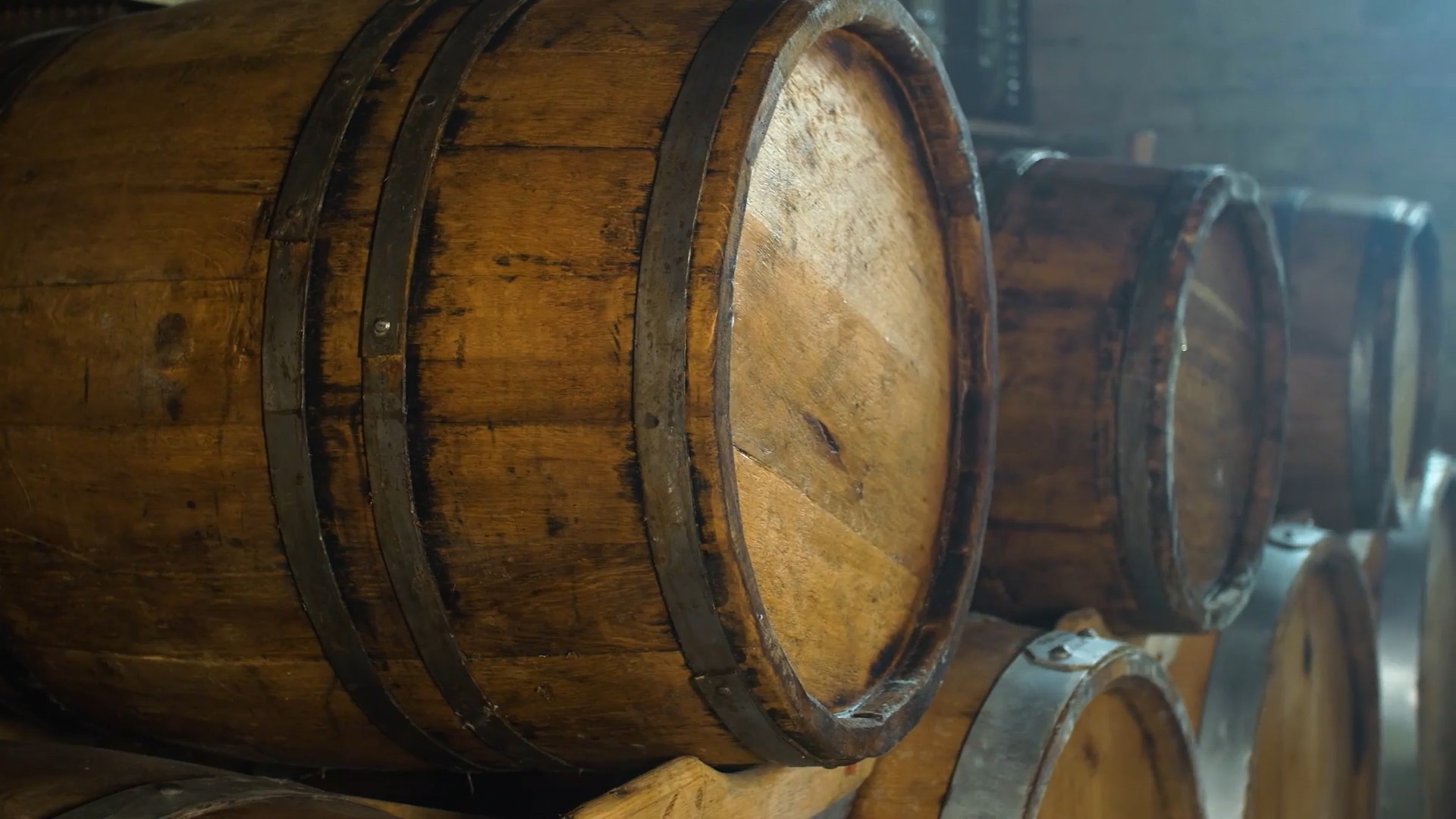
How Kentucky Became the Home of Bourbon
On America’s early frontier, whiskey was more than a drink. It was currency, survival, and a way of life. In this episode of Kentucky Origins, discover how the Whiskey Rebellion, river trade and limestone water helped Kentucky create one of America’s most iconic spirits. The result is a story that stretches from the nation’s founding to the hills where bourbon is still made today.

7 Natural Wonders of Eastern Kentucky
Seven of the most unbelievable natural wonders are found in Eastern Kentucky. These are the places people mention when they talk about what the region has to offer. Some are well known; others you might have to work to find. But each one stands out for what it shows about this region’s landscape: its scale and history, and how it continues to draw people in.
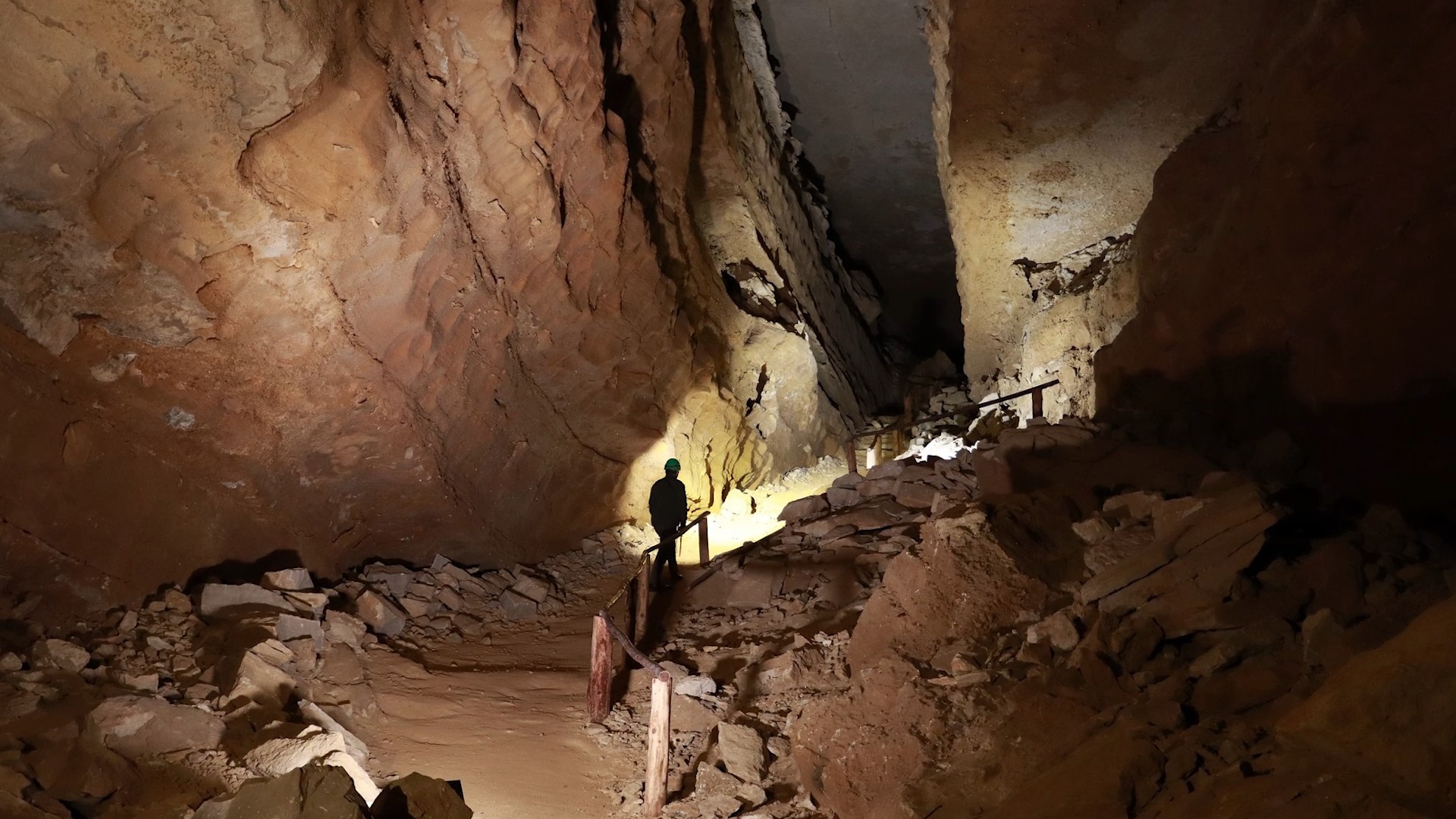
The World’s Longest Cave Keeps Getting Bigger
Stretching for more than 400 miles beneath Kentucky, Mammoth Cave is a place of mystery, discovery and world records. But its story begins long before tourism, revealing a deep connection between people and one of the most extraordinary landscapes in America.

Kentucky’s Bloodiest Day of the American Revolution
Learn about the brutal Battle of Blue Licks on August 19, 1782, where 72 of Kentucky’s 182 militiamen were killed in a surprise ambush. We spotlight the decisions, such as ignoring Daniel Boone’s caution, and cover how this tragic battle shaped early Kentucky’s settlement patterns and frontier defense strategy.
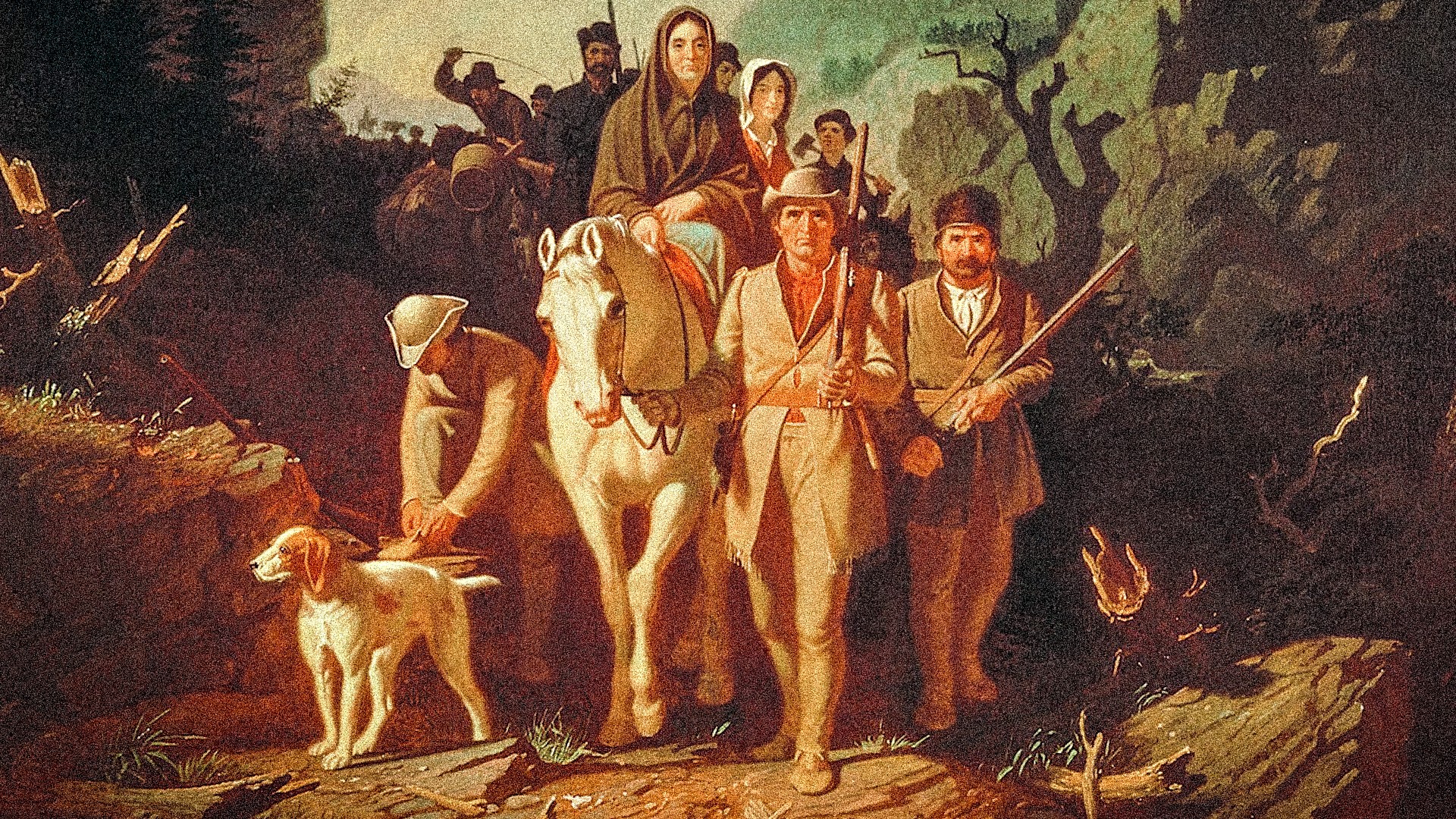
The Kentucky Frontier: The Forts That Made Kentucky Possible
Before Kentucky became a state, it was a risky experiment on the edge of the frontier. Fort Harrod and Fort Boonesborough stood miles apart, led by different men but bound by the same challenge: survival. This is the story of how two small forts helped shape early Kentucky.

The Frontier Town That Became the Horse Capital of the World
There’s a creek hidden under downtown Lexington – a creek that explains precisely why it was this frontier town that became the Horse Capital of the World, and not anywhere else. Long before Lexington had its reputation for thoroughbreds and bourbon, it was a small camp on the frontier. Those early settlers had no way of knowing how the ground beneath their boots would shape the destiny of this land, its people and its horses.

The Bridge That Shouldn’t Exist
Before the Civil War, building a bridge across the Ohio River didn’t just sound like a challenge – it sounded impossible. The idea was opposed by businessmen, fought over by politicians, stalled by financial disaster and nearly killed by the Civil War. Yet, thanks to one man’s enduring vision, that “impossible” bridge was completed. It still stands today, with thousands traveling between Kentucky and Ohio daily. This is the story of the Roebling Suspension Bridge, an engineering milestone.

How Two Rivers Created Land Between the Lakes
Nestled between two Kentucky rivers is a landscape that didn’t exist before the mid-20th century. The dramatic landscape change began when the rivers were reshaped into Kentucky Lake and Lake Barkley. This protected area spans more than 170,000 acres of forests, wetlands and open land. It’s also home to managed herds of bison and elk. This narrow corridor has become one of the most biologically diverse regions in Kentucky.

How Louisville Slugger Became America’s Most Iconic Baseball Bat
How did a 19th-century woodshop in Kentucky go from making furniture to creating the most iconic baseball bat in America? It all began with a teenager, a broken bat and a small favor – a favor so simple, you’d never guess it would change baseball forever. This is the legendary story of the Louisville Slugger.